


The difficult part of African gaming is not always making the game. It is getting the game in front of the right players, letting them pay with local methods and keeping the economics working after launch.
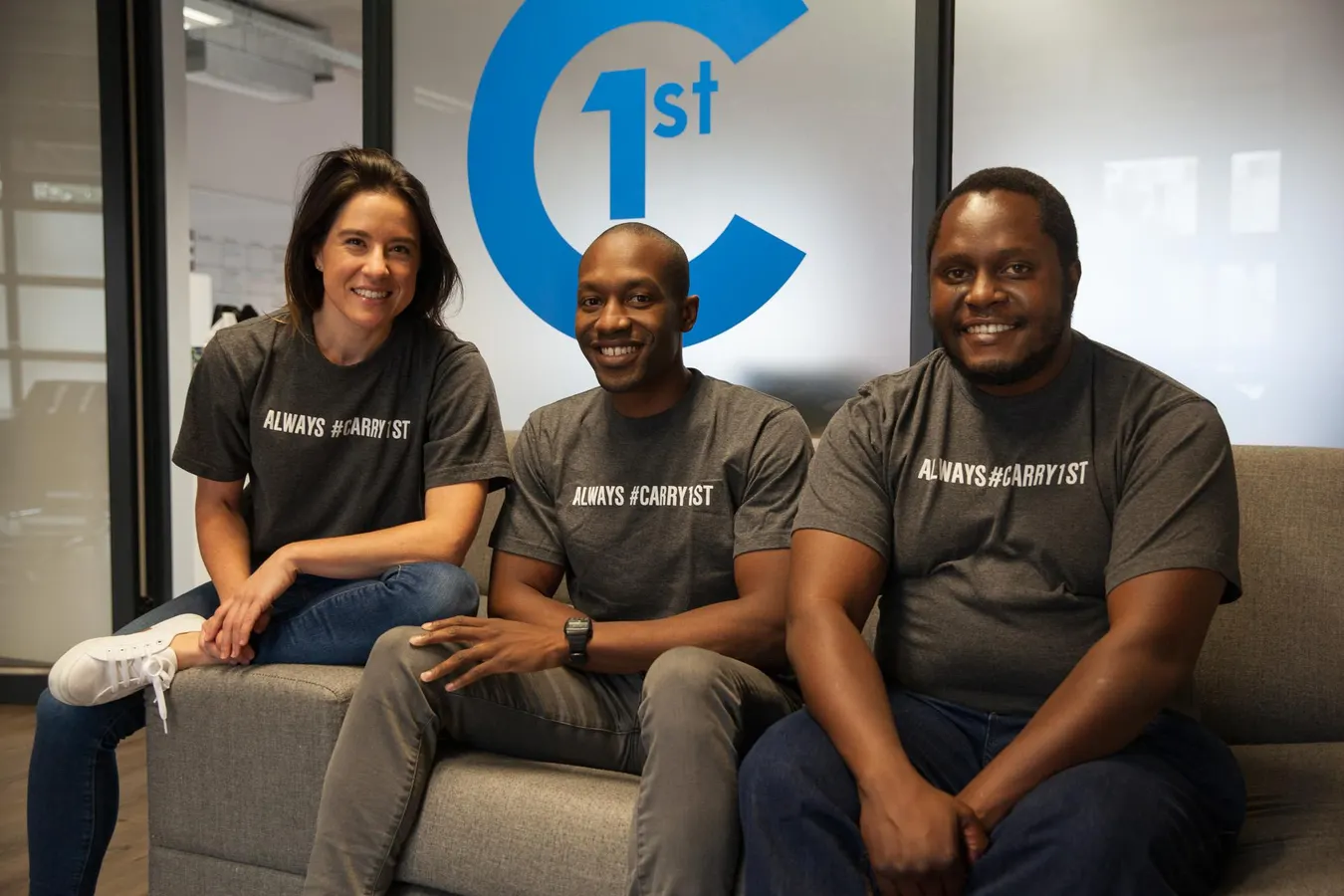
That is the gap Carry1st has chosen to occupy. Its publishing business offers global game companies localisation, user acquisition, alternative distribution, live operations, marketing and a payments layer built for African and Middle Eastern markets.
The model is a useful correction to the usual gaming narrative. Africa’s opportunity is often framed as a shortage of locally produced titles. Content matters, but distribution can be just as serious a constraint.
A global game is not automatically an African product
Mobile games can be downloaded anywhere an app store is available, but commercial reach is more complicated.
A publisher needs to understand which devices are common, how expensive data is, what payment methods players trust, which creators influence communities and how to price digital goods in local purchasing conditions. A title designed around credit cards or one global app-store flow can leave revenue on the table even when people are actively playing.
Carry1st packages those problems into a regional operating service. Its publishing offer includes localisation, offline and influencer marketing, user-acquisition funding, events and live operations. That is the machinery between releasing a game and turning it into a sustained local business.
The company lists relationships with major global gaming groups and uses those partnerships to position itself as the regional operator rather than another studio competing for attention.
Payments are part of publishing
Carry1st’s advantage becomes clearer when payments are included.
The company says its platform supports more than 200 local payment methods. That matters in markets where card penetration is uneven and mobile money, bank transfers or other domestic rails may be more relevant to players.
A global publisher could integrate those methods one by one. It would also need to manage fraud, currency conversion, settlement and local commercial rules. A regional layer can make those integrations reusable across multiple titles.
This turns payments into distribution infrastructure. A player who cannot pay is not a monetised user, regardless of how strong the game itself is.
The same logic applies to pricing. A publisher with local transaction data can learn which price points and bundles convert, rather than simply translating a dollar amount into local currency.
Distribution can compound across titles
A game studio builds intellectual property one title at a time. A regional publisher can reuse relationships across many games.
Influencer networks, payment integrations, media buying knowledge, community channels and operating teams become more valuable as additional titles are added. That creates the possibility of a distribution moat even when Carry1st does not own every game it helps grow.
There is also a portfolio advantage. Games are hit-driven businesses. A company that operates several titles can spread commercial risk more widely than a studio whose future depends on one release.
The trade-off is dependence on partners. Carry1st needs global publishers to see enough value in its regional execution to keep routing important titles through its platform.
Why it matters
African gaming has a familiar infrastructure problem. The demand can exist before the commercial rails are fully adapted to it.
Founders often respond to that gap by building new content, but Carry1st shows another route: make existing global content work better in African markets. That means solving payments, marketing, localisation and retention at scale.
For investors, this is a different type of gaming bet. It is less dependent on predicting the next hit and more dependent on whether regional distribution remains difficult enough that publishers prefer a specialist partner.
For local studios, it can also expand the market. Better regional monetisation and distribution infrastructure should eventually be usable by African-made titles, not only imported ones.
What to watch
The key question is how much of Carry1st’s value comes from proprietary distribution advantages versus services that large publishers could eventually build in-house.
Watch the depth of its publisher relationships, the number of markets where local payment coverage is strong and whether more titles use Carry1st for long-term live operations rather than one-off launches.
Africa’s gaming opportunity is not only about who makes the next great game. It is also about who makes the market commercially reachable after the game is built.