
BFree, the Lagos-headquartered distressed-credit investor, has closed a growth round to expand its business of buying and recovering non-performing loan portfolios across Africa. The round was led by AfricInvest through its Financial Inclusion Vehicle, with Algebra Ventures joining as a new investor, its first in a Nigeria-headquartered company, alongside existing backers. The company did not disclose the amount.
The problem BFree was built for
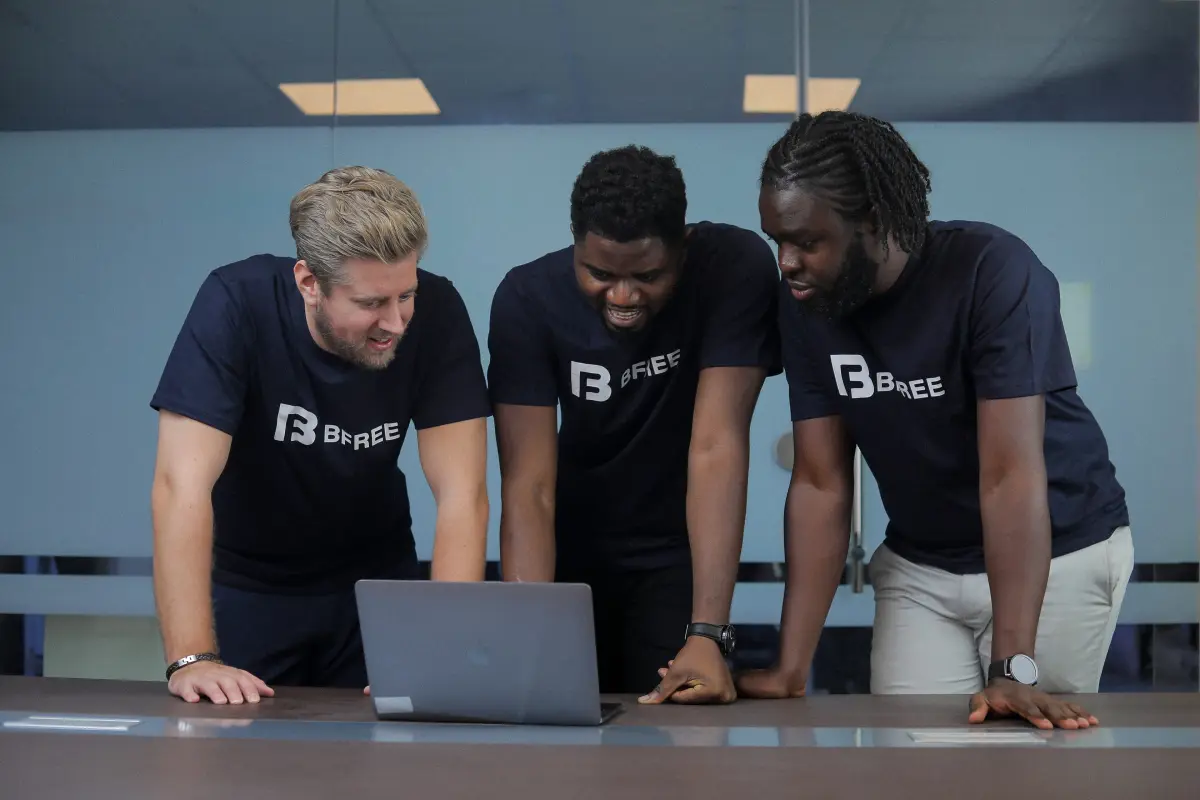
The digital-lending wave of the late 2010s and early 2020s pushed huge volumes of small-ticket credit across Nigeria, Kenya, Ghana and beyond. It also produced huge volumes of default, much of it unresolved and stuck on lender balance sheets. Founded in 2020 by Julian Flosbach, Chukwudi Enyi and Moses Nmor, BFree built an AI platform that profiles borrowers, predicts their capacity to repay, and tailors engagement through chatbots, automated calls and self-service portals rather than aggressive manual collections.
From software to asset buyer
The more consequential shift is in business model. Rather than only selling collections software, BFree increasingly purchases written-off or delinquent loan portfolios from lenders and manages recovery itself, effectively turning troubled consumer credit into a tradeable financial asset that can attract outside capital. To date the company says it has handled more than $740 million in distressed loans and reached around 6.6 million borrowers across Nigeria, Ghana and Kenya, serving over 30 financial institutions from digital lenders to regulated banks.
Why it matters
BFree sits on the unglamorous but essential other end of the lending boom. When a borrower defaults on an unsecured loan, the lender often has nowhere to go; by buying and working those portfolios, BFree injects liquidity back into the system and lets banks refocus on lending. The round also fits 2026’s defining funding theme, with debt overtaking equity in capital volume as African credit markets mature.
The harder questions are the ones that have long held the segment back: poor borrower data, legal friction around transferring loans, and pricing opacity. Doing this ethically, recovering debt without predatory tactics, is both the company’s stated standard and its reputational risk. If BFree can price and work portfolios at scale across markets, it is building a piece of financial infrastructure the lending boom always required but rarely had.