
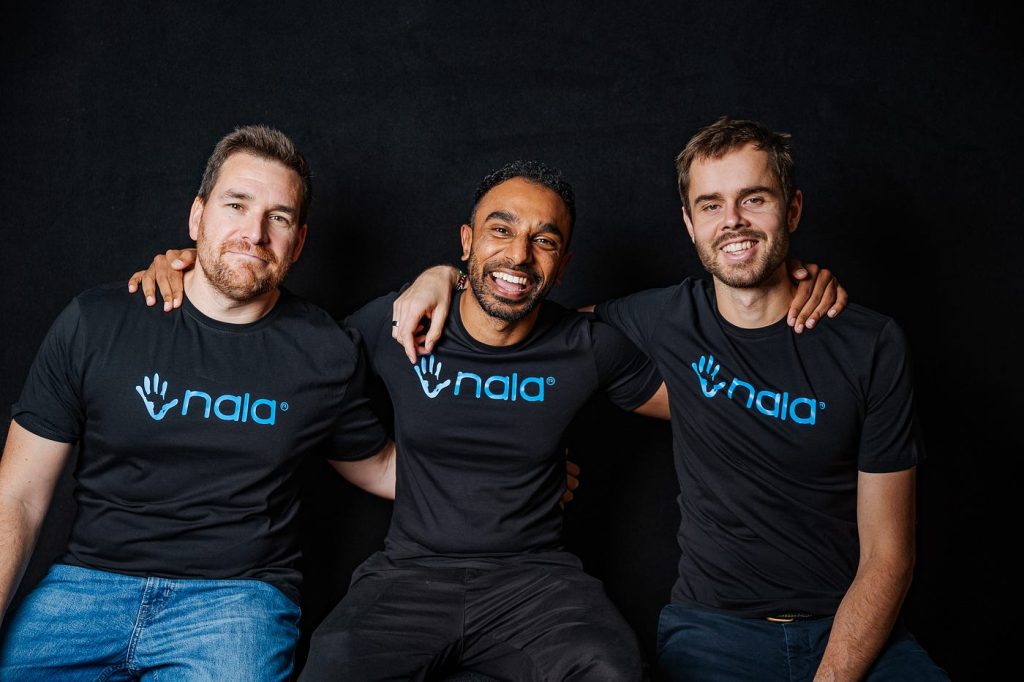
Nala, the Tanzanian-founded fintech building stablecoin-powered cross-border payment rails, has secured up to $50 million in credit financing from private credit firm Liquidity. The facility begins with a $25 million tranche and can scale to $50 million or more through Mars Growth Capital, a joint venture between Liquidity and Japan’s MUFG Bank.
The detail that matters is the instrument. This is debt, not equity, and it comes from a global institutional lender, a sign that an African-founded payments company is now bankable on the same terms as its peers in richer markets.
From remittances to rails
Founded in 2017 as a remittance app for the African diaspora, Nala has since pushed into business payments through Rafiki, its enterprise infrastructure platform. The company says its network now connects more than 249 banks and 26 mobile money services across 16 countries. Its consumer arm and Rafiki report healthy gross margins, and money-transfer firms including MoneyGram use Rafiki for stablecoin settlement into Africa and Asia.
Why debt, not equity
Founder and chief executive Benjamin Fernandes has said rapid growth strained the company’s ability to pre-fund transfers, the working capital needed to settle payments before money arrives. Credit suits that problem better than equity. Crucially, Nala still holds more than half the capital from its $40 million 2024 equity round, so the facility funds expansion rather than papering over balance-sheet stress. It mirrors a wider shift, with high-volume African fintechs turning to credit lines to fund liquidity-heavy operations without diluting their shareholders.
The stablecoin bet
The underlying wager is structural. Cross-border transfers into emerging markets still cost an average of 8 to 10 percent per transaction and can take days to settle, according to World Bank data. Stablecoins settle in real time at a fraction of that cost, and enterprise demand for compliant collections and payouts has risen sharply over the past year.
For African fintech, the takeaway is less about crypto than about plumbing. Whoever builds reliable, compliant rails between emerging markets and the world holds a strategically important position. Nala is betting it can be one of them, and global lenders are now willing to fund that bet.