
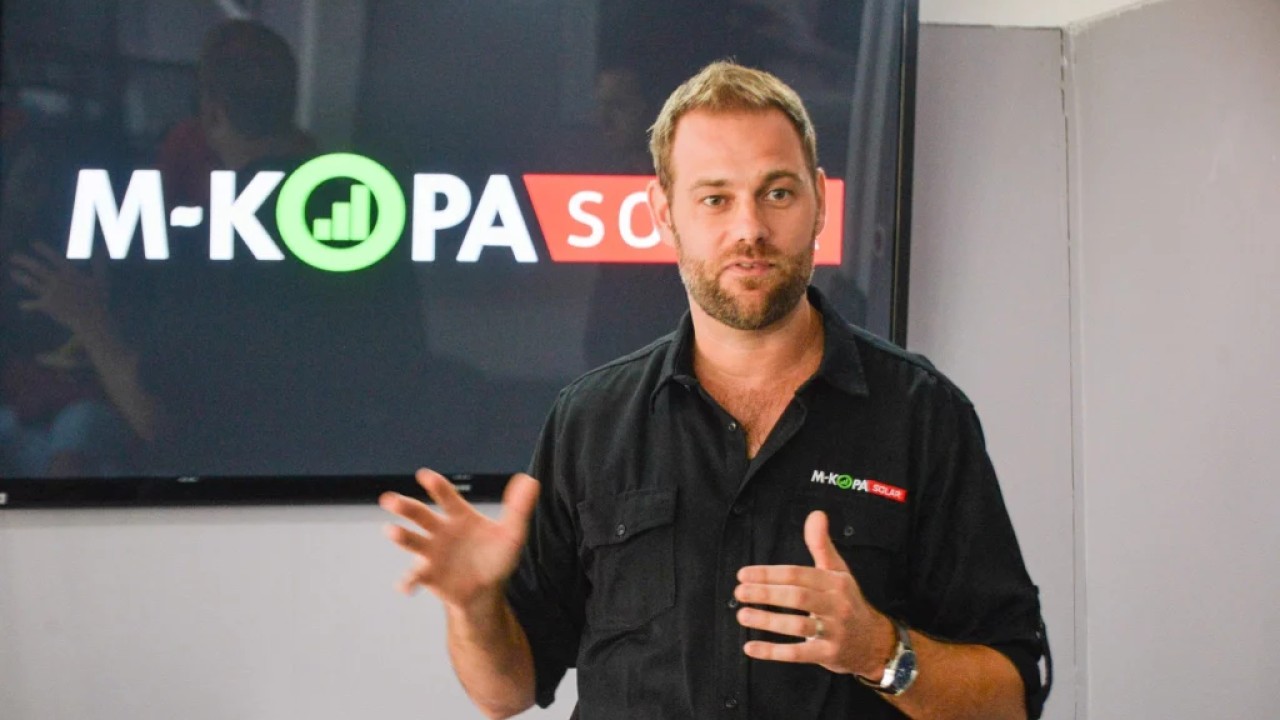
M-KOPA has reached 10 million customers across five African markets, but the more important number is how many of those relationships now extend beyond the first device.
The company said in October that it generated record revenue of $600 million in 2025, up 45% from the previous year. It is onboarding about 10,000 new customers a day and says a growing share use more than one M-KOPA product during a multi-year relationship.
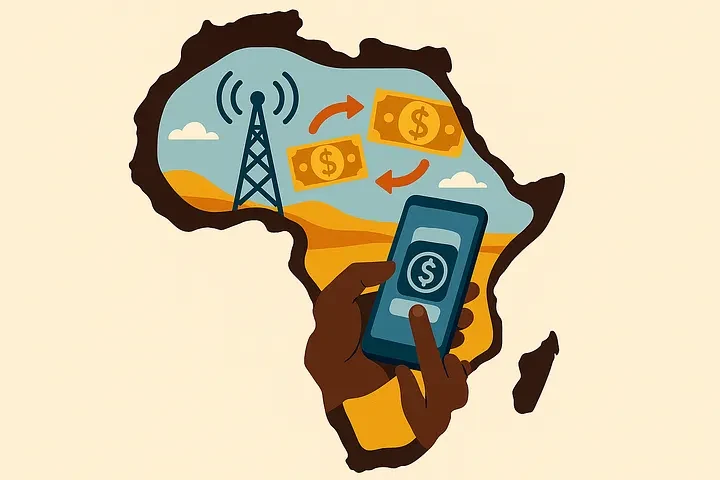
That is the logic behind its “More than a Phone” strategy. The financed smartphone gets the customer in. Repayment data, distribution and an existing payment relationship create the opportunity to offer credit, insurance, device protection and other services later.
The handset solved customer acquisition
M-KOPA began with financed solar systems and reached its first one million customers over eight years. After moving into smartphone financing in 2020, it added another nine million in six years.
The acceleration is not difficult to understand. A smartphone is a high-frequency, aspirational product with immediate economic utility. It can help a trader communicate with customers, a rider navigate, a worker access jobs and a household get online.
The problem is affordability. Many customers earn daily or informally and cannot meet the underwriting rules of a conventional lender. M-KOPA finances the device through smaller recurring payments and uses the repayment history to build a view of the customer over time.
Its current product model then adds digital loans, health cover, device protection and affordable data. The phone is both the financed asset and the channel through which later services can be distributed.
That is a more powerful acquisition engine than an app that must persuade an unbanked or underbanked customer to download it before there is any clear value.
Distribution is part of the moat
M-KOPA says it works with tens of thousands of sales agents across Kenya, Nigeria, Ghana, Uganda and South Africa. That field network matters because device finance is not purely digital.
Customers need to see products, understand repayment terms, make a deposit and receive support when something goes wrong. A physical distribution layer can be expensive, but once built it can carry more than one product.
The same principle applies to underwriting. A customer who has made months of payments on a smartphone is no longer an unknown applicant. M-KOPA can use observed behaviour to decide which additional services to offer and at what point in the relationship.
This is why the company’s reported more than $2 billion in credit unlocked matters beyond the headline amount. Each financed product generates information that can make the next offer easier to price.
Bundling changes the unit economics
Device finance has significant costs: hardware, working capital, credit risk, collections, sales commissions and after-sales support. If the relationship ends when the final handset payment is made, the company has to recover all of its customer-acquisition cost from one product.
A multi-product relationship changes that calculation. The acquisition cost is spread across more revenue opportunities, while the customer does not need to be found again from scratch.
This is similar to the logic behind banks cross-selling cards, loans and savings products. M-KOPA’s difference is that the first relationship begins with access to a physical device rather than a bank account.
Why it matters
African consumer fintech often starts with a financial product and then looks for a reason to stay in a customer’s daily life. M-KOPA has inverted that sequence.
The smartphone is already valuable. Finance makes it attainable. The repayment relationship then becomes a bridge into financial services.
That model can reach customers whose income patterns do not fit traditional credit scoring, but it also carries responsibility. Product bundling only works sustainably if pricing is transparent, customers understand obligations and additional credit does not turn a useful device relationship into excessive debt.
The scale makes M-KOPA one of the clearest tests of whether asset finance can become a durable financial-services distribution model in Africa.
What to watch
Watch how many customers take a second product, not just how many new devices are financed. Repeat-product adoption will show whether the platform thesis is working.
Also watch credit performance as the customer base grows and product mix expands. A model built on daily and weekly repayments is sensitive to household cash flow, so growth must remain tied to disciplined underwriting.
The strategic question is whether M-KOPA can keep making the first phone useful enough to acquire the customer, then make every later product valuable enough to retain them.