

Windhoek-based Bellatrix Investment Managers has launched the Ndjaba Seed Fund, a $10 million venture capital vehicle for early-stage startups across Southern Africa. Named after the Oshiwambo word for elephant, the fund plans to back between 35 and 50 companies over a ten-year horizon, across fintech, agritech, healthtech, education, clean energy, e-commerce and enterprise software.
The gap it targets
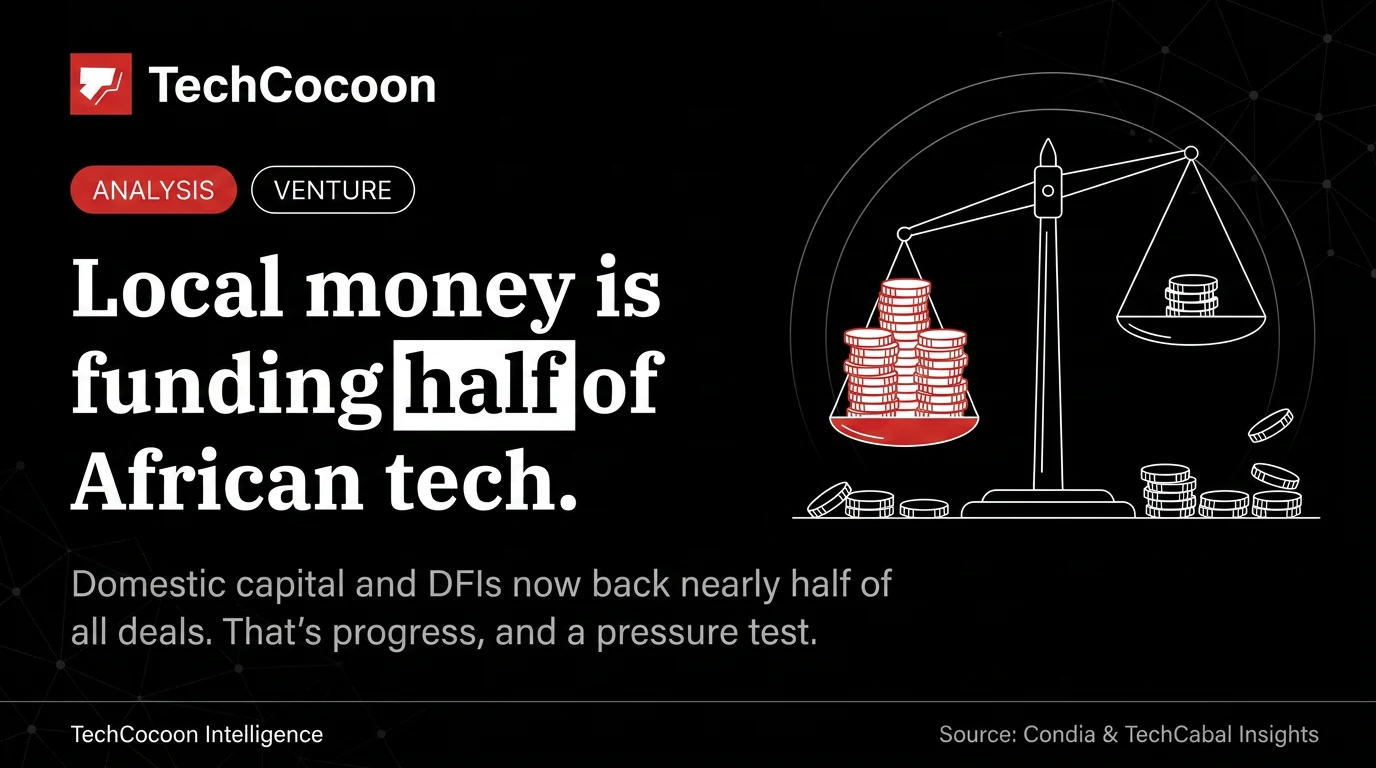
The fund is built around a specific, stubborn problem: the scarcity of early-stage money. Startups raising under $1 million attracted just 2 percent of all capital deployed on the continent in 2025, and the squeeze is worse in Southern Africa, where most of the region’s roughly $933 million in funding concentrated in South Africa. For founders outside Cape Town and Johannesburg, the first institutional cheque is often the hardest to find.
How it works
Bellatrix is not new to the region’s capital problem. Founded in 2020, it says it has deployed more than $30 million in debt and concessional financing to over 500 businesses, but Ndjaba is its first dedicated equity fund. Pre-seed companies can expect cheques between $25,000 and $100,000, with seed-stage businesses receiving $100,000 to $350,000, plus follow-on capacity. The fund will lean on the Basecamp Business Incubator to build a pipeline of investment-ready startups and provide governance and operational support.
Why it matters
The move is a deliberate pivot from debt to equity, a bet that the region is now producing enough scalable technology companies to justify venture-style risk. It is also notable for where it comes from: Namibia is better known for commodities and pension funds than for tech, and a homegrown equity fund is a sign of local capital taking ownership of the early-stage gap rather than waiting for outside investors.
Ten million dollars will not transform Southern Africa’s funding picture on its own. But the most important capital is often the first cheque, the one that lets a company exist long enough to attract the rest. For founders in a part of the continent routinely passed over, that is the gap Ndjaba is trying to close.