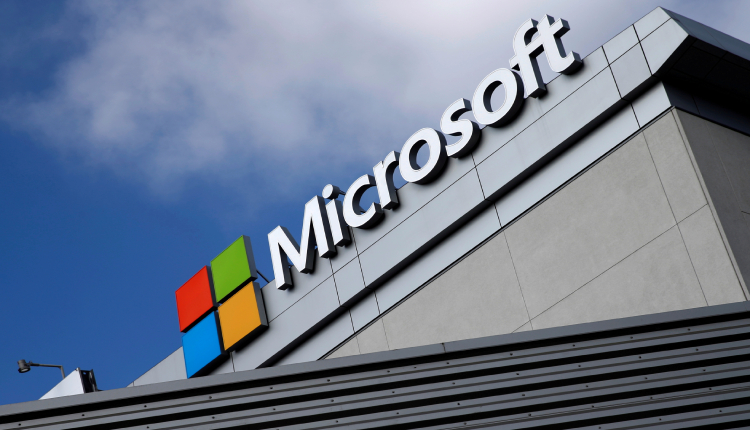

After months frozen in court, one of Africa’s largest telecom transactions in years has closed. Vodacom completed its $2.1 billion acquisition of the Kenyan government’s 15% stake in Safaricom on June 30, days after the Court of Appeal cleared the long-delayed deal, lifting the South African operator’s shareholding from 35% to 55% and making it the controlling shareholder of East Africa’s largest telecom company.
The deal, and what Kenya gets
Kenya’s Treasury is expected to receive KSh 204.3 billion from the sale, alongside a KSh 40.2 billion dividend top-up backed by its remaining 20% stake. The proceeds were earmarked to seed the National Infrastructure Fund under President William Ruto’s wider privatisation programme, a way of funding major infrastructure without new borrowing. Safaricom remains listed on the Nairobi Securities Exchange, and the government keeps its 20% holding and board representation, but majority ownership, and with it the final say on capital allocation, dividends and regional strategy, now sits in Johannesburg.
A deal that nearly did not close
The route here was anything but smooth. Vodacom first announced in December 2025 that it would buy the government’s 15% alongside an additional 5% from Vodafone International Holdings, but legal challenges froze the transaction for months, forcing the government to seek relief at the Court of Appeal. The delay had a price and a consolation: because the sale dragged past its original completion target, the Kenyan government stayed eligible for Safaricom dividends it would otherwise have missed, an estimated KSh 16 billion windfall.
What changes at Safaricom
Day to day, Kenyans will notice little; strategically, plenty shifts. Vodacom moves from largest shareholder to outright controller, gaining decisive influence over Safaricom’s biggest bets: the expensive expansion into Ethiopia and the continued scaling of M-Pesa, one of Africa’s most successful fintech platforms. Commitments made to the government during negotiations remain in place, including no job cuts tied to the deal, a Kenyan board chair, and continued local management of the Safaricom and M-Pesa Foundations. Kenya’s Capital Markets Authority also exempted the buyers from making a mandatory offer to all shareholders, keeping the public float intact.
The bigger picture
The close is the second major consolidation of African telecom ownership in a fortnight, after Bharti Airtel lifted its direct Airtel Africa stake to 79%. The pattern is unmistakable: parent groups are pulling their highest-performing African assets closer, buying control of the businesses that own the continent’s payment rails and data infrastructure. For Kenya, the test now is whether the privatisation proceeds actually build the infrastructure they were promised for. For the industry, the takeaway is that Africa’s most valuable telecoms are no longer just national champions; they are prizes in a continental consolidation, and the governments selling into it are trading long-term dividends for capital today.