
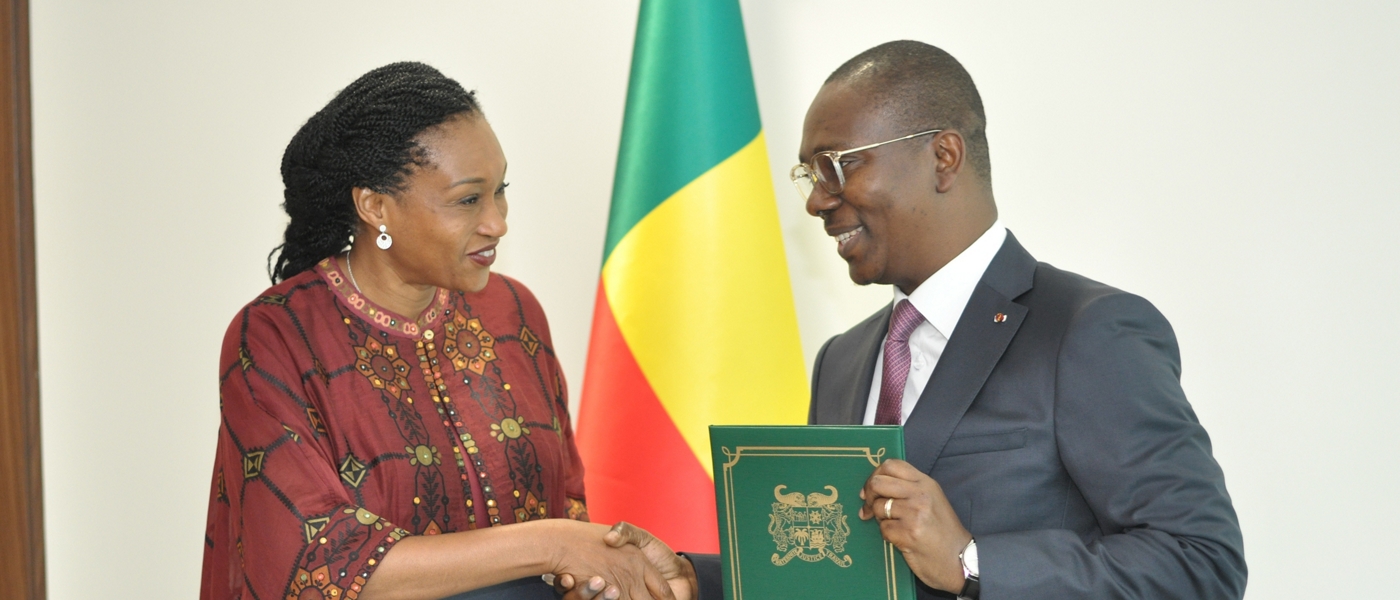

Benin has signed €30 million in financing agreements for a solar development it expects to cost €45 million in total. Those figures describe different things, and both are needed to understand the transaction.
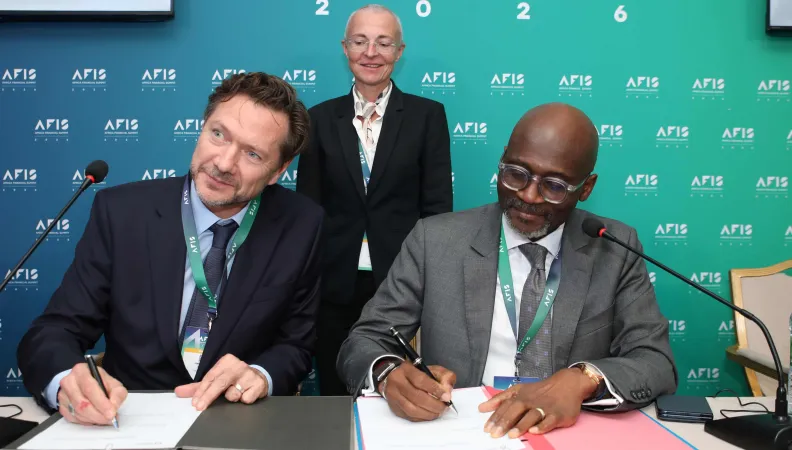
The 29 October 2026 announcement from the International Finance Corporation identifies the lenders as IFC and Proparco and the developers as AXIAN Energy and its Beninese partner Sika Capital. Called IPP50, the programme covers four photovoltaic plants with 62 megawatts peak of combined capacity.
It is project finance for infrastructure that has yet to start producing electricity, not an equity investment of €30 million in a young startup.
Four locations and one buyer
The planned plants are in Natitingou, Djougou, Parakou and Bohicon. Once built, their electricity will be sold to Société béninoise de production d’électricité, or SBPE, under long-term power-purchase agreements.
That buyer relationship is central to the financing. A developer can build excellent hardware and still struggle to repay lenders if there is uncertainty about who will purchase the output, at what terms and for how long. A long-term contract helps turn a solar installation into an asset that institutional lenders can underwrite.
Sika Capital brings a local ownership link to the project. It is associated with Benin’s Caisse des Dépôts et Consignations and Egnon Consulting. IFC is also mobilising concessional climate resources alongside its participation, according to the institutional statement.
What the projections mean
The partners estimate that the completed plants could produce around 110 gigawatt-hours annually, supply electricity equivalent to the needs of approximately 383,000 people, and avoid around 62,000 tonnes of carbon dioxide emissions each year. Those are forecasts made before commercial operation, not metered historical results.
The distinction matters because plant performance will be affected by construction schedules, connection to the grid, solar irradiation, equipment reliability and the purchasing utility’s ability to take and pay for the energy.
Industry reporting published on 30 October confirms the four-site project and the €30 million financing package. The institutional announcement sets the target for commercial operations in the first quarter of 2028.
Private power in a market needing more capacity
IPP50 is being presented as Benin’s first privately financed independent solar power-producer programme. It should not be confused with the country’s first solar power plant of any kind; the country already has public-sector solar generation.
The development also has a different risk profile from the household solar startups frequently featured in African technology funding reports. Customers are not buying individual systems on instalments. Instead, the investor finances infrastructure and earns revenue from a contracted electricity purchaser.
The next milestones are physical and financial: construction starts, grid connections, the final capital contribution to cover the difference between the project cost and the announced financing, and ultimately the first kilowatt-hours delivered under the power contracts. A financing signature is an important step, not the finish line.