
The machinery of the creative economy is different from a factory, but it needs financing just as urgently. A film producer pays crews before audiences buy tickets. A games studio funds months of development before a title earns its first sale. Music businesses advance recording, marketing and distribution costs before streams and performances return cash.
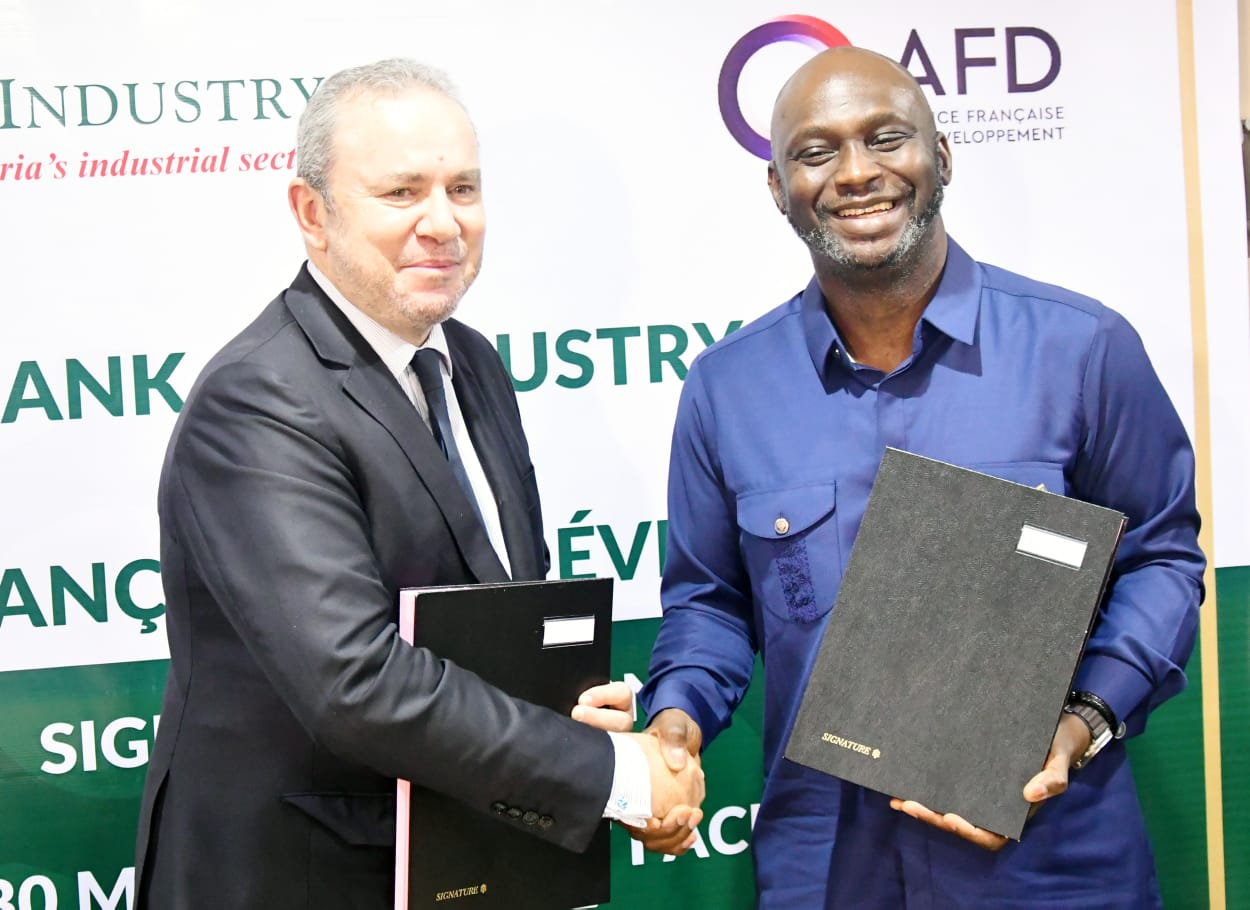
Nigeria’s Bank of Industry and France’s Agence Française de Développement signed a $30 million credit agreement on 27 October 2026 to address that financing problem. The BusinessDay report from the signing in Abuja identifies film, music, fashion, design and gaming among the intended sectors.
The loan is to BOI, not a $30 million grant to individual creators and not a conventional startup equity round.
Why a bank struggles to finance creative work
A commercial loan often assumes that the borrower has physical collateral, predictable stock or long-standing invoices. Intellectual property, a catalogue of songs, an unfinished game or the distribution rights to a film do not fit easily into those categories.
That does not make every creative business creditworthy. It means lenders need expertise in evaluating contracts, production schedules, platform revenue, audience risk and the enforceability of intellectual-property rights. If that work is missing, allocating an impressive amount of money to the sector will not guarantee that small studios can borrow from it.
THISDAY’s report of the agreement says at least 90% of the financing is intended for micro, small and medium-sized enterprises, alongside a €500,000 technical-assistance component aimed at strengthening BOI’s ability to assess creative-industry clients. These are reported programme terms, not proof that qualifying businesses have been approved.
The first borrowers will define the programme
There is a difference between financing an established distribution company with predictable receipts and financing a studio making its first independent film. Both may be eligible within the same industry description, but their risks and support needs are very different.
An effective scheme should make the application process legible, specify what kinds of rights and contracts count as evidence of future revenue, and avoid requiring collateral that early-stage creative businesses rarely own.
For now, the public information does not establish a uniform customer interest rate, minimum borrowing amount, fixed timetable for applications or guaranteed approval for a particular type of business. Reporting those details as settled would be premature.
Three separate commitments, not one
The AFD-to-BOI creative-industry loan should not be confused with Proparco’s separate $30 million facility for Sterling Bank or IFC’s $50 million senior loan to BOI signed on 3 November. Those involve different lenders or separate credit agreements, even if some end-use sectors overlap.
For a Nigerian games founder or filmmaker, the next news that matters will be BOI’s product terms: who may apply, whether intellectual property can help support underwriting, what repayment schedules apply and how much actually reaches young companies.
A signed wholesale facility creates capacity. Accessible, appropriately priced loans would create the opportunity.