

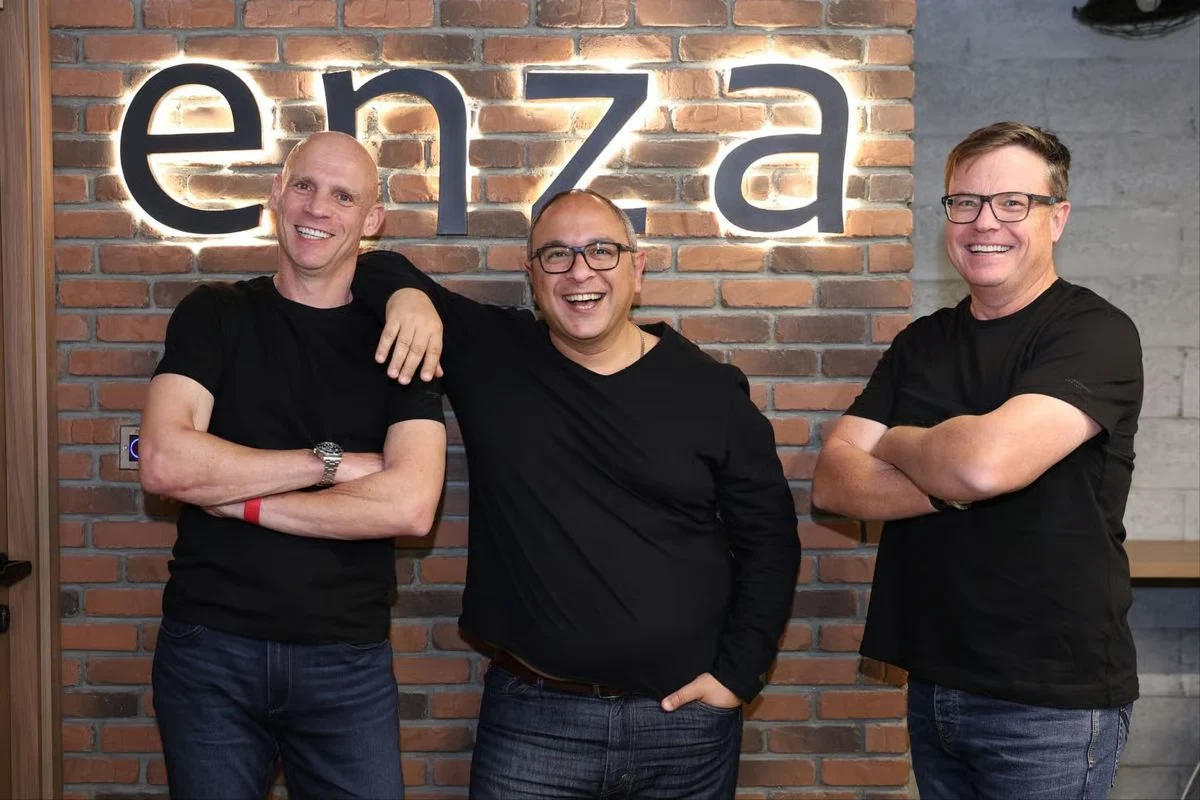
African payments infrastructure company enza has closed a $6 million Seed+ round, led by 4DX Ventures, with British International Investment joining its shareholder base for the first time. The company announced the investment on 3 November 2026.
Quona Capital and Algebra Ventures, which co-led enza’s previous seed round in 2025, also invested more. This is a new Seed+ financing, not a second announcement of the earlier seed round.
enza supplies the technology that banks and fintechs use to provide payments products. Unlike a consumer wallet, the business is largely concerned with the systems behind acceptance, routing and transaction services. It is selling tools to financial institutions rather than trying to win every individual customer directly.
The investors are buying into an infrastructure relationship
That difference matters commercially. Banks do not change core payments vendors as casually as consumers change apps. Integration, regulatory approvals, operational reliability and the cost of switching all matter. Once a provider is embedded, customer relationships can be durable, but the sales process and technical implementation can be demanding.
The investor mix reflects that operating profile. 4DX, a venture firm already active in African technology, leads the new round. BII, the UK’s development finance institution, joins as a new investor after its own diligence process, according to enza. Returning investors Quona and Algebra are adding capital after already spending time with the business.
These are useful facts, but they do not establish the company’s revenue, profitability or transaction volumes. The announcement does not provide enough public detail to calculate those metrics, so there is no basis for inventing them.
Ghana gives the company a near-term execution test
The timing follows enza’s September 2026 launch in Ghana, where it reported receiving a Payment Service Provider Enhanced licence from the Bank of Ghana. Regulatory access makes operations possible, but it does not by itself prove bank adoption or transaction growth.
For financial institutions looking to launch payment products, the pitch is practical: use a specialist provider rather than build and maintain every capability in-house. For enza, the challenge is to demonstrate that the same infrastructure can work across markets with different regulations, networks and customer needs.
The most revealing follow-up would be named financial-institution deployments, the breadth of live products, and evidence that deployments work reliably at scale. The $6 million gives enza additional resources to attempt that expansion. How many banks use the products, and how deeply, is the result worth tracking.