
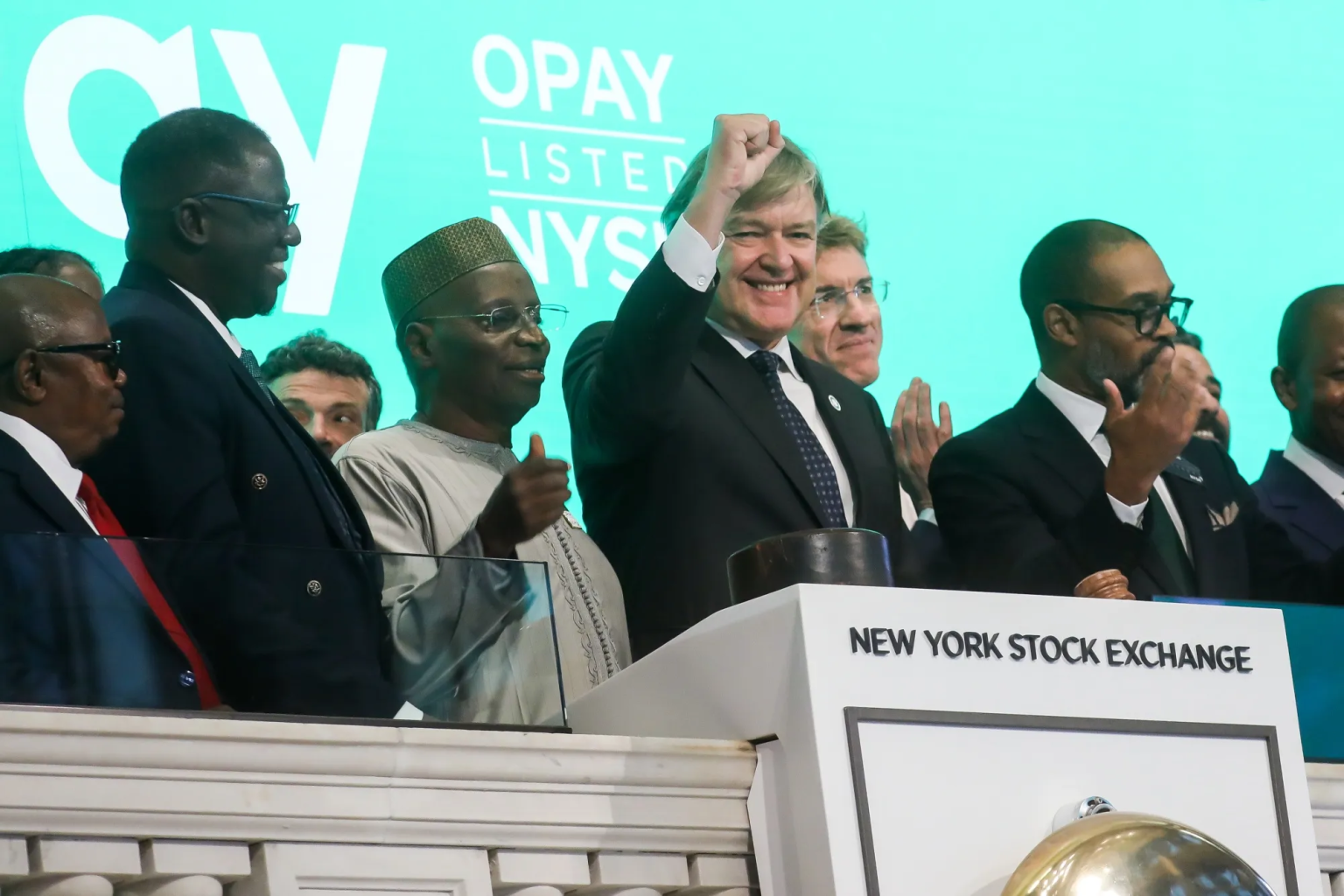

OPay was hours away from one of the most closely watched African fintech listings in years. On 30 October, it announced the price of its US initial public offering: 16 million American depositary shares at $19 each. That implied a $304 million offering. The shares were scheduled to start trading on the New York Stock Exchange under OPAY.
They did not. Later that day, the company terminated the offering in a notice filed with the US Securities and Exchange Commission. Its explanation was a regulatory inquiry in a jurisdiction that OPay described as immaterial to its operations. The company did not identify the authority or disclose the subject of the inquiry.
What happened between the price and the bell?
The original pricing announcement said OPay expected the deal to close on 2 November, subject to the usual conditions. It also offered the underwriters an option to buy another 2.4 million shares. Neither of those expectations became a completed capital raise.
OPay’s later SEC exhibit says the company and its underwriters agreed to end their underwriting agreement. It states explicitly that the offering would not be completed and the depositary shares would not begin trading as scheduled. The filing was accepted on 30 October and appears in the SEC’s 2 November filing record. The relevant transaction date is 30 October, not 2 November.
That distinction matters. An announced IPO price is not cash received. A listing ceremony or a press release saying trading has commenced is not proof of a successful public offering when the company’s subsequent regulatory filing records its cancellation.
A regulatory question with no disclosed answer
OPay said it expected the inquiry to conclude satisfactorily and maintained that it would not affect customer service, financial performance or its regulatory standing in its operating markets. Those are the company’s assertions, not an independent finding about the undisclosed inquiry.
Reuters reported on 30 October that the deal had priced at the bottom of its indicated $19 to $21 range and implied a company valuation of around $4 billion. It also reported that SoftBank entities held a minority stake before the proposed offering.
For African technology companies hoping to access large overseas equity markets, OPay’s reversal is a reminder that execution risk persists right up to the point where shares begin trading. That is an inference from the sequence of events, not a claim that the inquiry reflects a broader regulatory problem in Nigeria.
The next meaningful development will not be another expression of confidence. It will be an official update resolving the inquiry, a renewed offering document, or a confirmed alternative capital-market plan. Until then, the accurate headline is withdrawn IPO, not $304 million raised.