
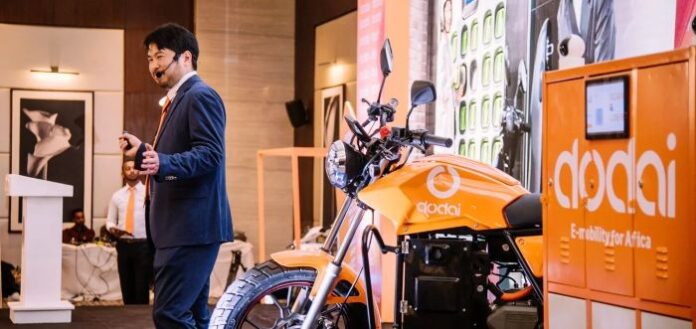

Ethiopian electric mobility company Dodai has closed a $13 million Series A round, split between $8 million in equity and $5 million in debt, to accelerate the rollout of electric motorbikes and battery-swapping infrastructure. The round was led by British International Investment, the UK’s development finance institution, alongside a group of Japanese backers including the Value Chain Innovation Fund, UTokyo Innovation Platform, Nagase and Inclusion Japan.
Building where others won’t
Founded three years ago by Japanese entrepreneur Yuma Sasaki, Dodai made a contrarian choice: build in Addis Ababa, a market most investors view as difficult, rather than the usual hubs of Lagos, Nairobi, Cairo or Johannesburg. The model rests on two pillars. The company assembles its motorbikes locally and runs a battery-swapping network that lets riders trade a depleted battery for a charged one in minutes, eliminating charging downtime. Bikes sell for around 150,000 Ethiopian birr, roughly $1,170, with monthly payment plans through a microfinance partner. To date Dodai has deployed more than 2,000 motorbikes and built a team of about 100, nearly all of them Ethiopian.
Why Ethiopia, now
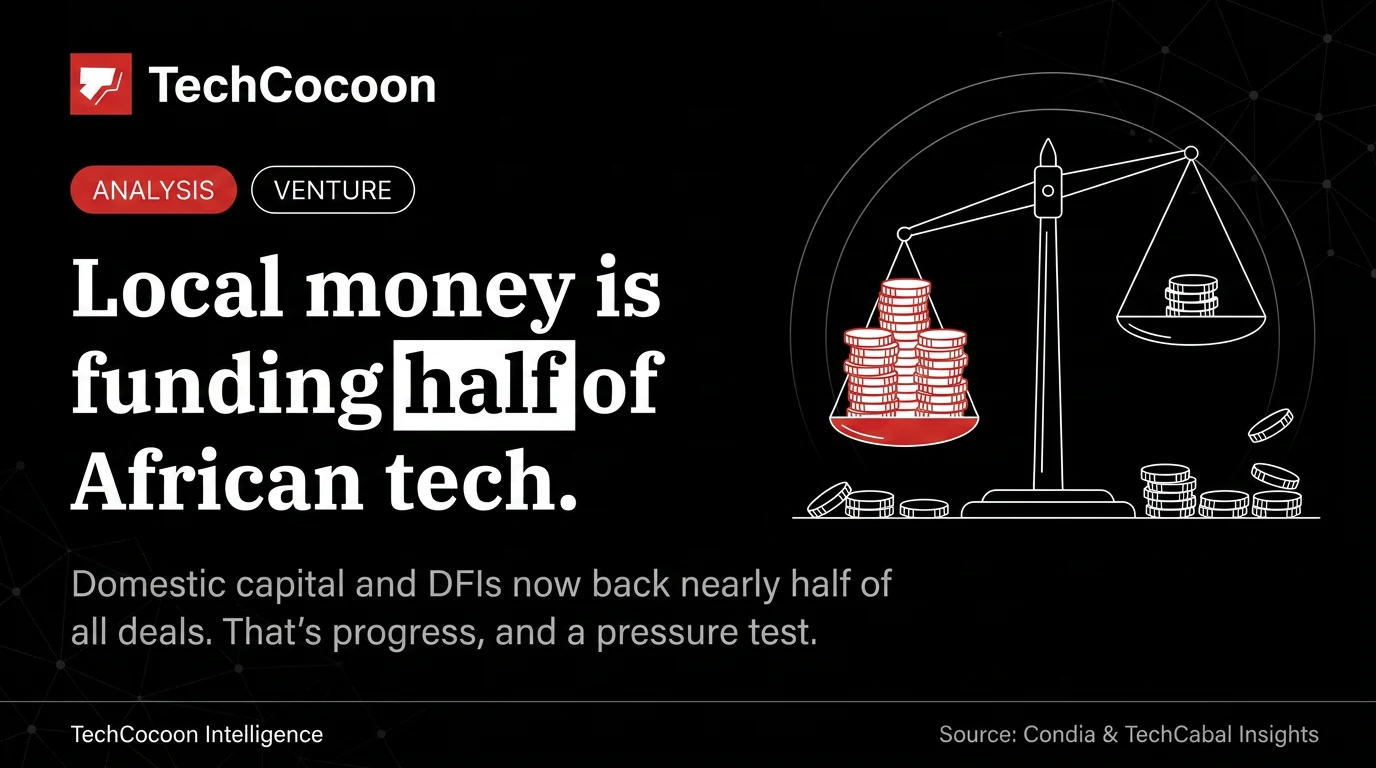
The timing tracks a sharp policy shift. Ethiopia has moved aggressively to cut its fossil-fuel import bill, restricting petrol and diesel vehicle imports and pushing electric alternatives, which turns a frontier market into one of the continent’s more compelling clean-mobility opportunities. BII chief executive Leslie Maasdorp described Ethiopia as an emerging frontier market where the right capital can unlock outsized impact. The structure of the deal, equity plus debt with a development financier providing the credit, also mirrors a wider 2026 pattern of asset-heavy mobility startups leaning on debt to fund fleets.
The road ahead
Over the next year Dodai aims for 3,000 battery-swapping users and 30 stations in Addis Ababa, scaling toward 30,000 users and 1,000 stations within three years before eyeing Abidjan, Kinshasa, Accra and Dar es Salaam from 2028. Those are steep targets, and asset-financed mobility lives or dies on repayment discipline and uptime for the delivery riders and taxi operators who depend on the bikes to earn.
The broader signal is about geography. Capital that almost always flows to the same four markets is, in this case, backing a company that chose the harder ground, and betting that frontier markets like Ethiopia are where clean mobility scales next.