

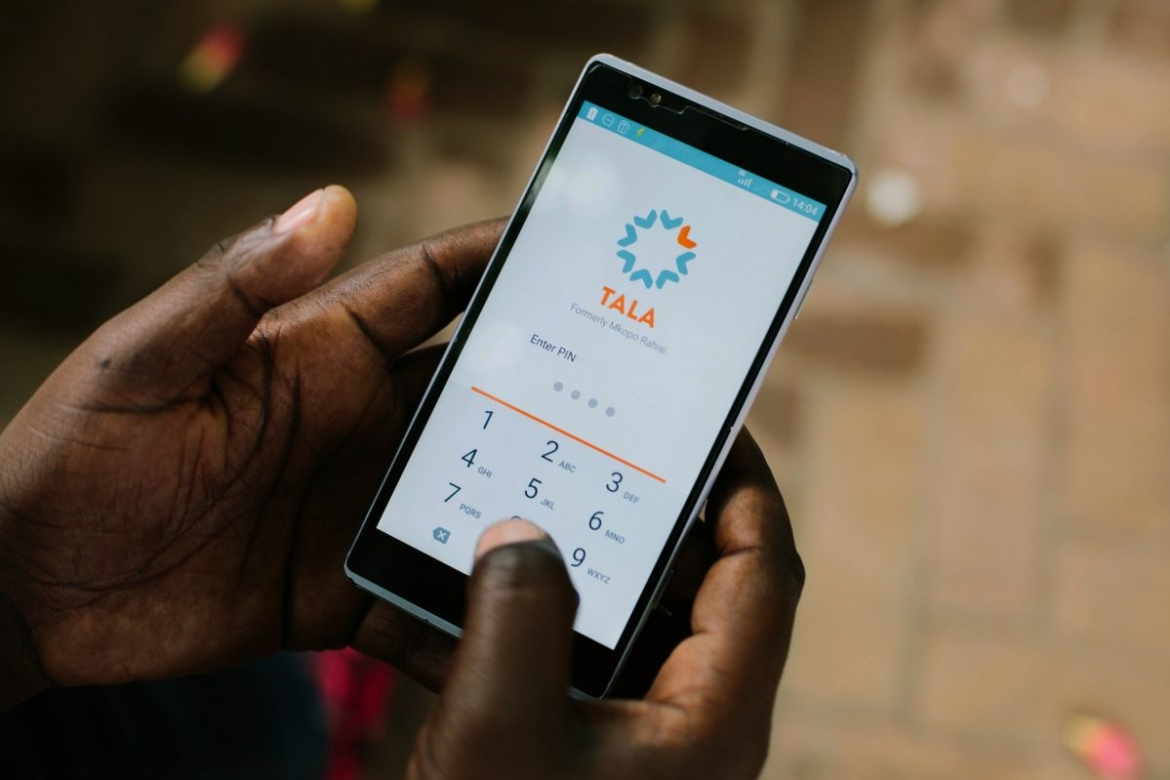

One of the companies that taught East Africa to borrow from a phone is shrinking its presence in the market that made it. Tala announced in a Thursday statement on June 25 that it is cutting jobs as part of a global reorganisation, centralising operations under a new structure, with the cuts affecting fewer than 10% of its Kenya-based employees.
Two versions of the same story
The announcement produced a confusion worth pausing on. Early reports put Tala’s Kenyan workforce at roughly 950 people and translated “up to 10%” into 90 to 100 job losses. Tala then clarified directly: its Kenyan workforce stands at 85, and seven employees have been notified of intended redundancy, with consultation still under way and no final decisions made. The gap between “about 100 jobs” and “seven jobs” is enormous, and it spread because the first figure was repeated faster than it was checked. The correction matters as much as the cut.
What is actually changing
The direction of travel is clearer than the headcount. Tala says it is streamlining functions and centralising operations at its global headquarters, meaning work previously done in Kenya will be handled from one location elsewhere. The company is also shifting toward an embedded-services model, bundling its credit products into partner platforms rather than acquiring every customer directly, which reduces the need for large local teams. This follows an April 2025 round that cut 28 customer-operations roles, about 3% of its workforce at the time, after strong repayment rates reduced support volumes.
The weight of the name
Tala’s moves carry outsized attention because of what the company represents. It entered Kenya in 2014, originally as Mkopo Rahisi, and helped pioneer app-based digital lending in East Africa before expanding to Mexico, the Philippines and India. By 2025 it had served more than 10 million customers, originated over $6 billion in loans and reached a $300 million annualised revenue run rate, having raised more than $522 million. When a company that rooted itself this deeply in Nairobi starts moving functions out, the question is not just this quarter’s headcount but what kind of presence it intends to keep in its largest African market. Tala insists Kenyan operations continue uninterrupted and that it remains fully committed to customers there.
The wider pattern
The restructuring fits a shift running through African fintech: after years of growth at all costs, well-funded companies are centralising, automating and trimming even while revenues hold, because investors now reward efficiency. Branch cut jobs in Kenya and Nigeria in May despite reporting profitability. For operators and employees across the ecosystem, the lesson is uncomfortable but useful: maturity in this market increasingly means leaner local teams and consolidated global functions, and the companies that pioneered a sector are not exempt. Watch what Tala rebuilds in Nairobi after the consultation closes; that will say more than the seven notices did.