

GWCU’s reported rollout through MTN Liberia is a useful window into where African fintech infrastructure is moving next: away from standalone apps alone and deeper into the telecom networks that already sit close to everyday users.
The partnership is designed to deploy mobile-native credit infrastructure through MTN Liberia’s Mobile Money ecosystem, with the rollout targeting one million users and expanding GWCU’s African footprint to more than two million subscribers, according to public deal materials and recent coverage. The model combines instant digital credit, automated repayment through mobile wallets, and real-time underwriting based on telecom behavioural data such as airtime usage, wallet activity, and transaction flows.
That makes the story bigger than one company.
It points to a practical truth about African fintech: distribution is often the hardest part of scale. A lender can build a credit engine. A wallet can design a clean interface. A fintech can launch a good product. But without trusted access to users, transaction behaviour, and repayment channels, growth becomes expensive and uneven.
Telecom networks already have those pieces.
The distribution problem fintech keeps running into
African fintech companies often underestimate distribution.
The product may work. The market may need it. The infrastructure may be technically sound. But reaching users, verifying them, funding them, collecting repayments, and retaining them is where many models start to weaken.
That is especially true in credit.
Traditional lending depends heavily on identity, income records, repayment history, collateral, and predictable cash flow. In many African markets, those signals are incomplete. Millions of people transact outside formal banking records, earn irregularly, or rely on mobile money and informal financial behaviour.
This is why telecom data has become so attractive.
Airtime usage, wallet flows, transaction frequency, mobile money behaviour, and repayment patterns can give lenders a different view of risk. They do not replace responsible credit policy, but they can help widen access where formal credit files are thin.
The GWCU model is built around that gap. Its credit infrastructure is presented as a way to make real-time lending decisions in environments where conventional records are limited and where mobile money may provide a stronger picture of day-to-day financial behaviour.
Why MTN Liberia matters
Liberia is not the largest African fintech market. That is part of what makes the rollout interesting.
Many fintech expansion stories focus on Nigeria, Kenya, South Africa, or Egypt. Those markets matter, but they are not the whole continent. Smaller markets often reveal whether a product can work beyond the obvious venture-capital map.
A deployment through MTN Liberia gives GWCU access to an existing mobile money environment rather than forcing the company to build customer acquisition from the ground up. The reported structure allows credit to be delivered through USSD and mobile applications, with repayment handled through mobile wallets.
That matters because credit is not only about disbursement. It is also about collection.
Many lending models look attractive at the point of loan approval and become fragile at repayment. If mobile wallet integration makes repayment more automatic and less dependent on manual follow-up, it can improve the economics of small-ticket lending.
The open question is whether the underwriting is strong enough to keep default risk under control as the product scales.
Nigeria as a pressure test
There is a useful argument inside this story: infrastructure built for difficult markets can become exportable.
GWCU’s public positioning leans heavily on the idea that its system was developed in Nigeria’s fragmented operating environment, where data can be inconsistent, payroll deductions can be complex, and remittance cycles can be irregular. That is not just marketing language. It reflects a real product challenge in African finance.
A system that only works in clean data environments may struggle in markets where formal records are incomplete. A credit engine that is trained to deal with messy realities may travel better across similar emerging markets.
Fadesola Adedayo, GWCU Director, framed it this way:
If a system works in Nigeria, it’s not theoretical — it has been pressure tested.
That line captures the product thesis. Nigeria is not only a market. It can also be a stress environment for fintech infrastructure. If a product survives the complexity, the company can argue it has learned lessons that imported systems may miss.
The claim still needs to be tested by performance data. User targets are not the same as repayment quality, profitability, or long-term trust.
Telecom networks are becoming financial rails
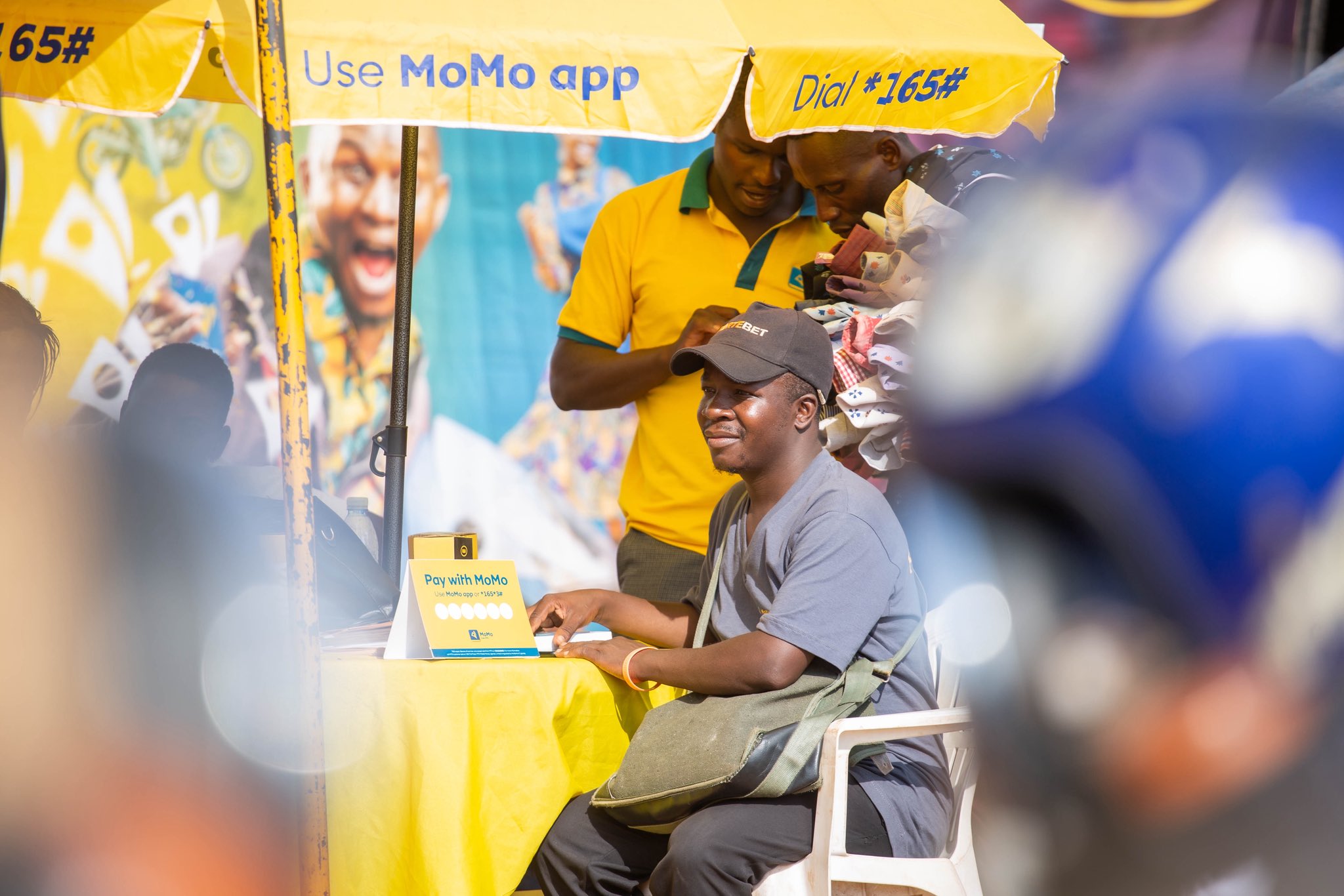
The larger shift is clear: African telecom networks are no longer just connectivity providers. They are becoming financial distribution rails.
Mobile money has already made that visible. Telcos sit close to customers, agents, wallets, airtime behaviour, merchant payments, and identity patterns. That makes them attractive partners for fintech companies trying to scale financial products quickly.
For GWCU, the advantage is immediate reach. Instead of spending heavily to acquire users one at a time, it can enter through a telecom partner with an existing subscriber base and mobile money behaviour.
For MTN Liberia, the potential advantage is deeper financial activity inside its mobile money ecosystem. Credit can increase wallet use, improve customer engagement, and create new revenue lines if managed responsibly.
For users, the benefit could be faster access to small credit without the long approval cycles attached to traditional lenders.
But the risk is just as real.
Digital credit can become harmful when underwriting is weak, repayment pressure is aggressive, pricing is unclear, or users borrow without understanding the cost. Embedded credit at telecom scale needs consumer protection from the start.
The risk in mobile-native credit
The history of digital lending in Africa is mixed.
Some products expanded access. Others created debt stress, privacy concerns, aggressive collections, or regulatory backlash. That history should shape how telecom-led lending is built.
Real-time underwriting and wallet-based repayment can make credit more efficient. They can also make borrowing too easy if product design is careless.
The key questions are practical.
How transparent is pricing?
How are users assessed?
Can users understand repayment obligations before accepting credit?
What happens when repayment fails?
How is telecom behavioural data protected?
Can users challenge decisions?
How are repeat borrowing patterns monitored?
These questions matter because the infrastructure layer is not neutral. Product design shapes user outcomes.
If the model works well, it could expand responsible credit access to users who have been excluded from formal lending. If it is poorly governed, it could scale the same digital credit problems that regulators have already started pushing against in several African markets.
What investors should watch
For investors, this deal is not only about GWCU. It is about the direction of African embedded finance.
The next wave of fintech scale may come from companies that do not build consumer brands first. It may come from infrastructure providers that sit inside telecoms, banks, merchants, payroll systems, and mobile money networks.
That changes how value is created.
Customer acquisition becomes partnership-led. Underwriting becomes data-led. Distribution becomes embedded. Repayment becomes wallet-linked. The company’s defensibility depends less on app downloads and more on integration quality, data access, risk management, and partner trust.
This is why telecom partnerships deserve close attention. They can create rapid scale, but they also create dependency. A fintech embedded inside a major telecom network can grow faster, but it must manage partner concentration risk, regulatory scrutiny, and operational reliability.
The best version of this model is not a lender riding on telecom traffic. It is a credit infrastructure layer that helps mobile money networks serve users responsibly.
The harder test ahead
The reported Liberia rollout gives GWCU a meaningful path to scale. But the real proof will come after launch.
Can the platform convert access into active usage?
Can it keep default rates under control?
Can it protect user data?
Can it make pricing transparent?
Can it expand beyond Liberia without losing product discipline?
Can it operate as infrastructure rather than a short-term lending engine?
Those are the questions that matter.
Africa does not lack demand for credit. It lacks enough responsible, low-friction, well-governed credit infrastructure. Telecom networks may help close that gap, but only if the products built on top of them respect the user as much as they chase scale.
GWCU’s MTN Liberia rollout is worth watching because it reflects a broader shift: in African fintech, the fastest route to scale may no longer be the loudest consumer app.
It may be the infrastructure embedded quietly inside the rails people already use.