

Koolboks has secured a credit facility from TLG Capital to finance the inventory behind its growing solar-powered cooling business. The arrangement includes a guarantee from Cascador, delivered with Morgan Stanley, according to the transaction announcement published by AVCA on 3 November 2026.
The size of the Koolboks facility was not disclosed. TLG separately said that, including this deal, it had committed $65 million across 16 Nigerian small and medium-sized businesses during the past two years. That aggregate amount should not be mistaken for the Koolboks loan.
The deal follows a similar TLG-Cascador financing arrangement for Drive45 in September, which the partners explicitly identify as a separate transaction.
Why a freezer company needs credit
Koolboks makes solar-powered freezers and other appliances for customers who cannot depend on stable grid electricity. Its systems use ice-battery storage and pay-as-you-go technology, allowing traders and households to spread the cost instead of paying for an appliance outright.
That business model creates a working-capital problem. Manufacturing or acquiring equipment happens before the entire customer payment arrives. More demand can actually increase the amount of cash tied up in units waiting to be delivered or paid off.
TLG’s credit can help finance those units and support retail partnerships without forcing Koolboks to raise equity every time it needs to grow inventory. A guarantee can improve a lender’s ability to bear some risks, although the announcement does not set out the full guarantee coverage or lending terms.
From a useful device to a financing business
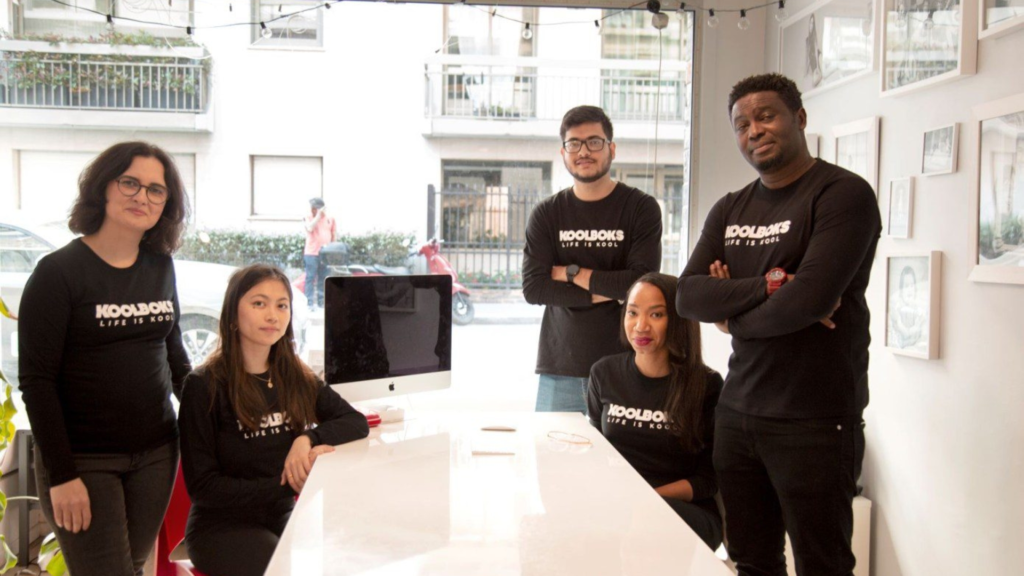
Koolboks says it has sold more than 15,000 units, employs around 400 people across Nigeria, Kenya and Uganda, and has shipped to more than 25 markets. These are company-reported figures in the November funding announcement. Its products are assembled in Lagos, and the company was founded in Paris in 2018 by Ayoola Dominic and Deborah Gaël.
For a trader selling frozen food or drinks, the real purchase is not only a machine. It is the ability to keep products usable without spending heavily on diesel or ice. For Koolboks, however, long-term performance will depend on equipment reliability, affordable instalments and collection discipline.
That makes this an unusually direct example of what private credit can finance in African climate technology: productive inventory and customer access, rather than another round devoted mainly to software development.
The missing numbers are now the important ones. The lender has not published the facility size, repayment tenor or interest terms. Nor has it reported the additional units the financing will support. Those details, alongside customer repayment and equipment performance, will determine whether the structure is genuinely repeatable.