
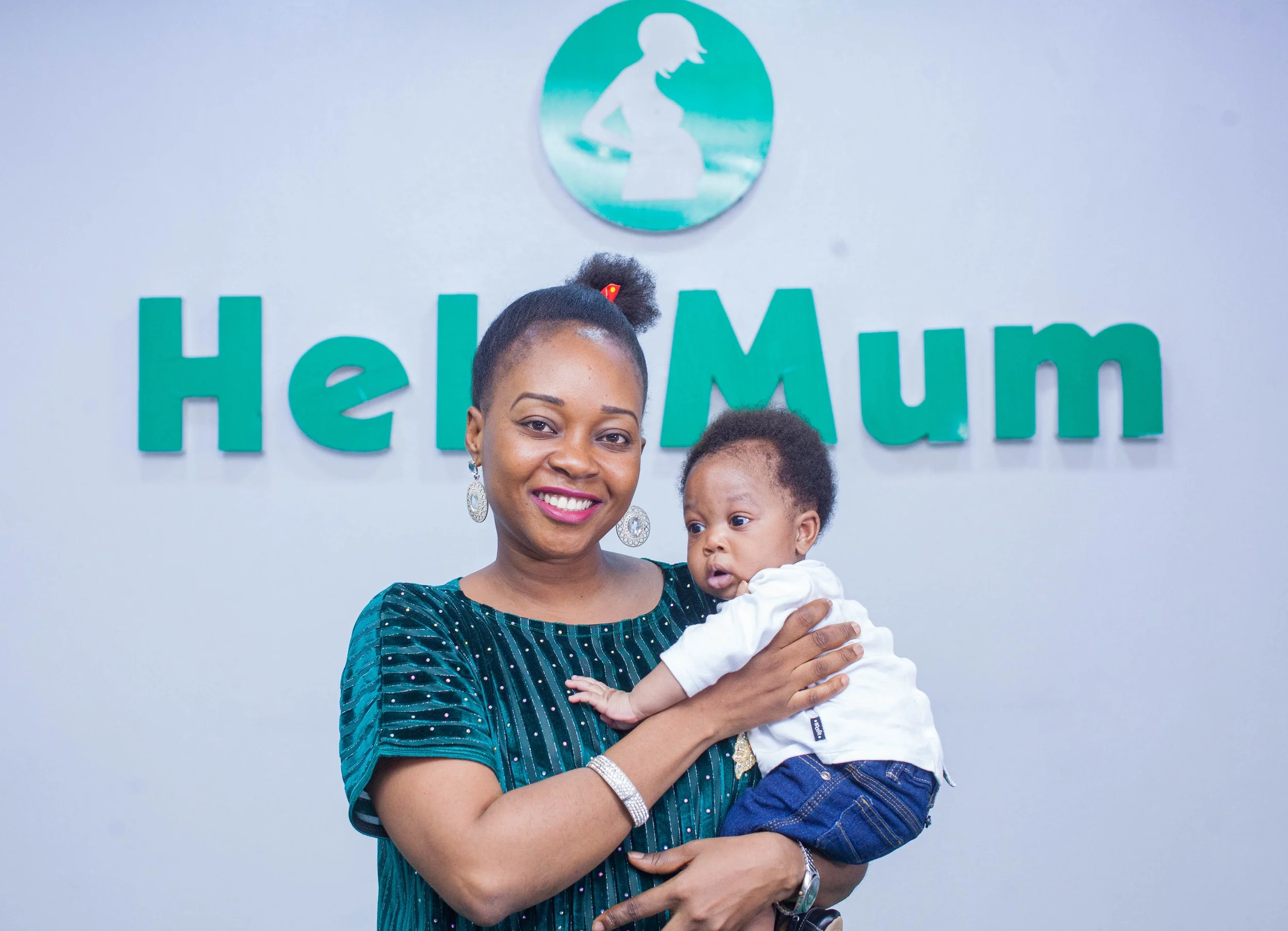
As institutional aid retreats from child health, philanthropic capital is picking its champions, and two of them are Nigerian. HelpMum has been selected as one of 18 grantees worldwide for ICONIQ Impact’s Child Survival Portfolio, a three-year, $100 million commitment announced on June 25 to close gaps in nutrition, immunisation and frontline health services for children across Sub-Saharan Africa and South Asia. eHealth Africa is the only other Nigerian organisation on the list.
The hole this money is filling
The portfolio, run by the collaborative philanthropy platform of investment firm ICONIQ and anchored by founding donors Rick Moskovitz and Nancy Siegel Moskovitz, exists because the old funding order broke. USAID’s abrupt withdrawal of roughly $12.7 billion disrupted immunisation outreach, nutrition treatment and frontline services across both regions, threatening decades of progress on child mortality. It builds on a $65 million catalytic commitment from the Sea Grape Foundation that launched the broader initiative in January 2026. The geography is chosen by the data: Sub-Saharan Africa and South Asia account for nearly 90% of global child deaths, over 85% of severe wasting cases and more than 70% of the world’s unvaccinated children.
Why HelpMum was picked
HelpMum sits in the portfolio’s “Innovation and AI” lever, the category backing practical technology, predictive data tools, solar-powered cold chains, AI-enabled logistics, aimed at reaching children conventional health systems cannot see. The organisation applies data-driven and AI-enabled approaches to maternal and child health, placing it alongside global cohort peers like Akros, Khushi Baby and Suvita. eHealth Africa earned its slot through digital health systems, geospatial intelligence and cold-chain strengthening used by governments to locate underserved and zero-dose children.
The design choice that matters
The portfolio’s sharpest idea is integration. Undernutrition underlies roughly 45% of child deaths worldwide, most caused by infections routine vaccination could have prevented, yet nutrition and immunisation have historically been funded as separate programmes. This fund deliberately backs organisations that deliver both in the same community visits, through shared supply chains and the same health workers. The first phase is projected to reach about 350,000 children, treating 200,000 for acute malnutrition and immunising 150,000 zero-dose or under-immunised children. ICONIQ Impact’s head, Matti Navellou, framed the urgency plainly: when overseas aid contracts, philanthropic capital has to move fast to reach frontline organisations.
What it says about Nigerian healthtech
Two of eighteen global slots going to Nigerian organisations is a strong read on how far the country’s health technology has come: international funders now treat Nigerian-built systems as credible infrastructure for a crisis institutional donors are struggling to manage. For African healthtech builders, the lesson sits in what got HelpMum and eHealth Africa selected: not apps in search of users, but technology wired into the hardest delivery problems, cold chains, logistics, finding the invisible child. As aid budgets shrink, the organisations that can prove that kind of reach are the ones the new money will find.