
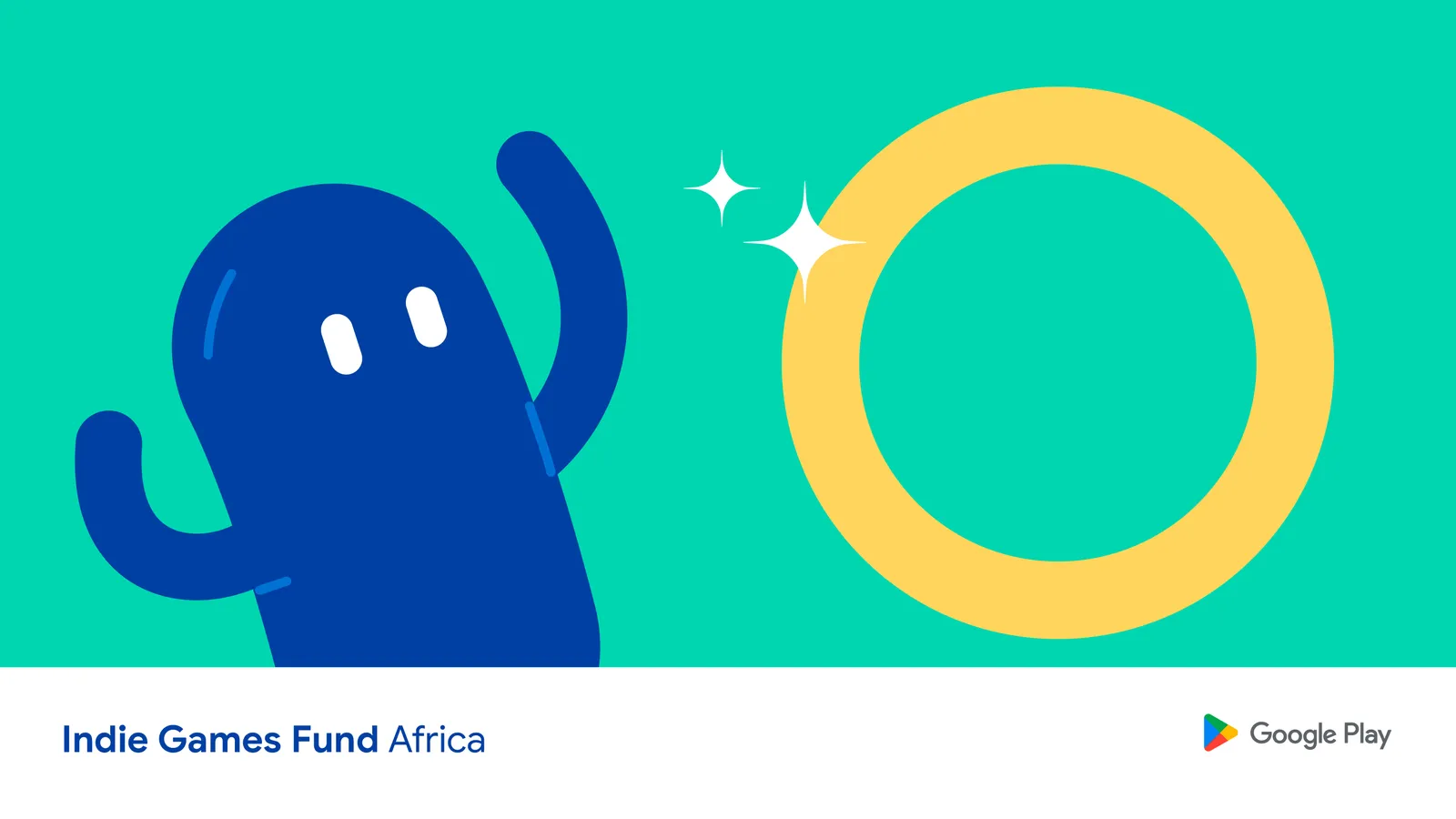
Four Nigerian game developers have joined four South African studios and one each from Ghana and Kenya on the first Google Play Indie Games Fund Africa shortlist. Google named the ten beneficiaries on 28 October 2026, giving them access to a $1 million non-dilutive funding programme alongside technical and commercial support.
Non-dilutive means the studios are not expected to surrender ownership in exchange for these awards. It does not mean one company has raised $1 million, or that each developer has been allocated an equal $100,000. Google has not disclosed the individual award amounts in its selected-studios announcement.
Who made the list?
The Nigerian studios are Deluxe Entertainment Studios, which is developing the Lagos-set action platformer Rasta Santa; Fer Factor, behind the cleaning game Chore Master; Gazuntype Entertainment, which makes the exploration title Go North; and Maliyo Games, known for Safari City, a puzzle and renovation game.
South Africa’s recipients are Clockwork Acorn (Jetstream), Disputed People (Mitts and the Divine Recipes), Studio Bo (Idle Sands) and Vetkoek Studios (Taxi Ranked). Ghana’s Leti Games was selected for Sweave, a rhythm game inspired by weaving, while Kenya’s Weza Interactive made the cohort with Riziki, a music-driven adventure drawing on African rhythms.
Those titles make the investment more interesting than a generic announcement about a continent’s gaming potential. They span puzzles, driving, exploration, simulation and rhythm games rather than just one type of mobile entertainment.
What Google is actually providing
Google launched the fund in July with an overall commitment of $1 million and indicated that individual awards would range from $50,000 to $200,000. The later October selection announcement confirms the cohort but does not assign a specific sum to each studio.
Recipients also get one-to-one guidance from Google Play staff, assistance with growth and commercial matters, and technical support linked to game-engine company Unity. For an independent developer, learning how to improve retention, payments, app performance and distribution may be as consequential as the initial cheque.
The programme’s corporate sponsor also operates a major channel through which mobile games reach customers. That creates an obvious shared incentive: successful studios sell more games or in-app content, while Google’s platform benefits from more active products and transactions.
The difficult part begins after selection
African game developers can face limited access to funding, comparatively expensive device and data costs for players, and difficulty getting discovered in a worldwide app marketplace. Local cultural references may differentiate a game, but they do not automatically solve customer acquisition or monetisation.
The fund backs studios that have already released a game, rather than financing an idea with no product. That is a useful filter, but follow-through will depend on whether developers can improve their titles, bring in paying players and retain talent long enough to build another release.
A second reporting point is geographic distribution. Eight of the ten awards went to Nigeria and South Africa combined. That reflects the composition of the selected cohort, not a verified measure of where all African gaming talent is based. Google has not published enough application data to assess how applicants from other countries performed.
For now, the facts are a named cohort, a $1 million programme and non-dilutive support. The next useful figures will be the individual awards, game launches, downloads, player retention and commercial traction after mentorship begins.