
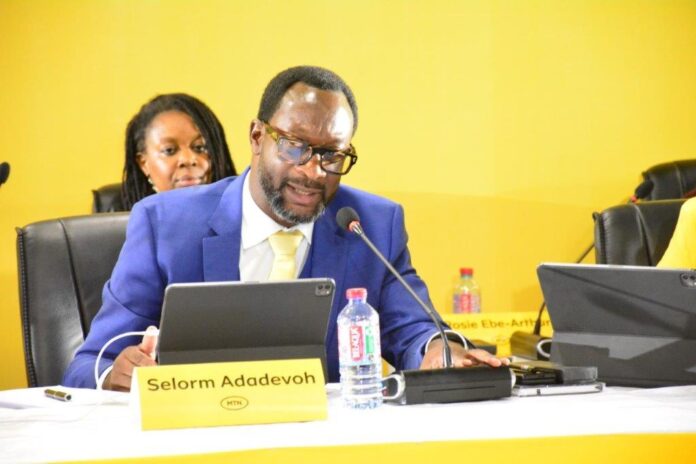

The Bank of Ghana has directed Mobile Money Fintech Limited to suspend a proposed 0.75 percent fee on direct wallet-to-bank transfers, pending consultations with industry stakeholders. The charge, announced by MTN Ghana on 25 May, was scheduled to take effect on 1 June and capped at 5 Ghana cedis per transaction.
What happened
The detail that drew public anger was the scope: the fee would have applied even when customers moved money between their own mobile wallet and their own bank account, a service that had been free. The central bank said the pause would allow broader consultation on the charge’s impact on consumers and financial inclusion before any final decision.
Why it matters
Mobile money is not a convenience in Ghana, it is core infrastructure for everyday commerce. A pricing change on one of the country’s most-used payment channels touches millions of people directly. The timing is also pointed. The fee was the first major pricing move by Mobile Money Fintech Limited, the standalone subsidiary MTN Group carved its Ghanaian mobile money business into only about two months earlier, a restructuring meant to turn fintech into a growth engine. The regulator’s intervention is, in effect, an early test of how much pricing freedom that new unit will have.
The bigger picture
Ghana has been here before. The electronic transfer levy introduced in 2022 sparked a public backlash before being reduced, and over the past year the central bank has tightened oversight of fintech and remittance operators, suspending several inward remittance partnerships over compliance concerns. The pattern is a regulator increasingly willing to step between operators and users on price.
For the rest of the continent, the episode is a reminder that the economics of digital money are now a public-policy question. As telcos spin their mobile money arms into separate fintech businesses chasing revenue, the charges they set will run into governments that treat these rails as essential services. Where that line falls, between a viable fintech business and an affordable public utility, is one of the defining tensions of African payments in 2026.