
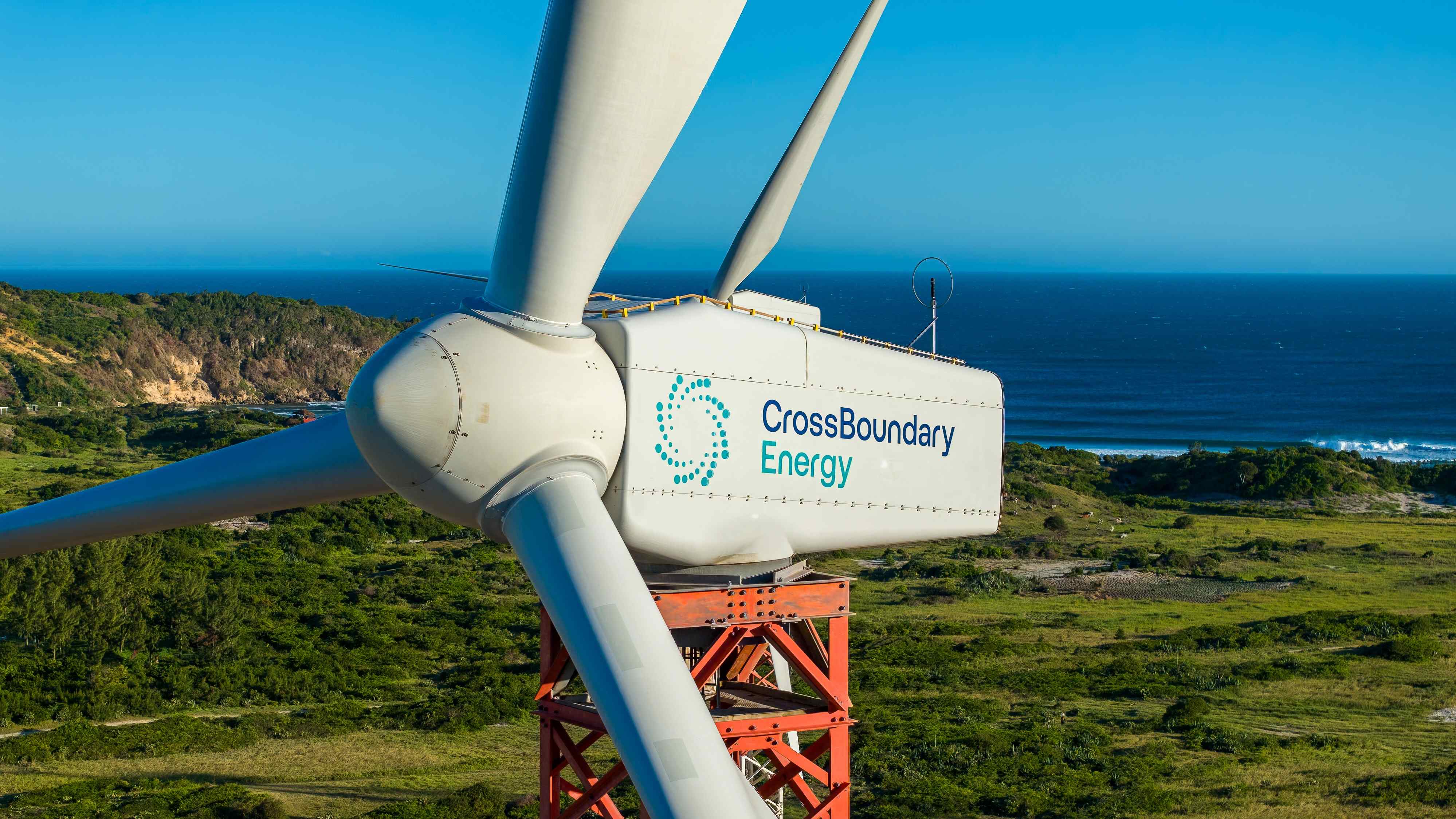

CrossBoundary Energy, one of Africa’s larger developers of commercial and industrial renewable power, has secured a $40 million equity investment from Inspired Evolution through its Evolution III fund. The capital will support the development, construction and expansion of its portfolio of solar, battery storage and hybrid power systems for businesses across the continent.
What CrossBoundary does
The company develops, owns and operates distributed energy systems for commercial and industrial clients, selling power through long-term purchase and lease agreements and handling the upfront financing of panels, batteries and minigrids. Its portfolio spans more than a dozen African countries and serves blue-chip clients including Rio Tinto, Unilever, Diageo and Heineken, alongside large local industrial groups.
Why commercial energy is drawing capital
The demand is rooted in a practical problem. Many of Africa’s factories, mines and large enterprises want cleaner, more reliable power, but are deterred by the upfront cost of building it and worn down by unreliable grids and expensive diesel. CrossBoundary’s model removes the capital barrier by financing and operating the systems itself, letting businesses simply buy the electricity. That pitch has fueled a steady run of institutional backing, with the Inspired Evolution round following earlier investments from development financiers and pension capital.
The bigger picture
The deal fits a broader pattern: investors are increasingly treating distributed, customer-sited generation as durable infrastructure rather than a niche. For the continent’s energy story, that is significant. Where national grids fall short, capital is flowing into power that businesses build directly for themselves, complementing utility infrastructure rather than waiting on it.
The open question is who ends up owning that layer. As private operators and foreign funds finance more of Africa’s industrial power, the systems get built faster, but the long-term control of a strategic asset shifts with them. For now, the signal is clear enough: commercial solar has moved from promise to proven, bankable business.