

Blnk, the Egyptian consumer-finance startup, has raised $37.1m in fresh funding. The figure splits cleanly and importantly: $12.5m in Series A equity led by Algebra Ventures, with SANAD Fund for MSME, Endeavor Catalyst, and Emirates International Investment Company participating, and $24.6m in debt facilities from several Egyptian banks and non-bank lenders.
The instinct is to report the combined $37.1m as the raise. The discipline is to read the two halves separately, because for a lending business they do entirely different jobs, and collapsing them into one number obscures what is actually being financed.
Why the split is the story
Equity funds the company; debt funds the loan book. Blnk’s $12.5m in equity is the capital that builds the team, the underwriting technology, and the merchant network. The $24.6m in debt is the fuel it lends out to customers at the point of sale. These are not interchangeable, and the ratio between them is one of the more honest signals a lender gives off. A consumer lender that raises roughly twice as much debt as equity is telling you its model is mature enough that banks will lend against its book, which is a harder thing to earn than an equity cheque.
This is the same structural pattern showing up across African fintech: debt and asset-backed facilities financing the lending itself, with equity playing a smaller role. It is a sign of discipline rather than distress when the company can actually service that debt, and the test is always whether the underlying book performs well enough to repay lenders on schedule, regardless of how growth goes.
The disclosed signals that matter
Blnk gives the numbers that let you judge the engine. Since its $32m seed round in 2022, the company says it has onboarded more than 1 million customers, surpassed an EGP 1bn loan portfolio, reached profitability in 2025, and grown revenue 173% year on year. Profitability is the signal that carries the most weight here, because for a lender it means the spread between what it charges and what it loses to defaults and funding costs is positive at current scale. That is the thing a stack of “users” or “downloads” can never tell you, and it is why Blnk can raise debt at all.
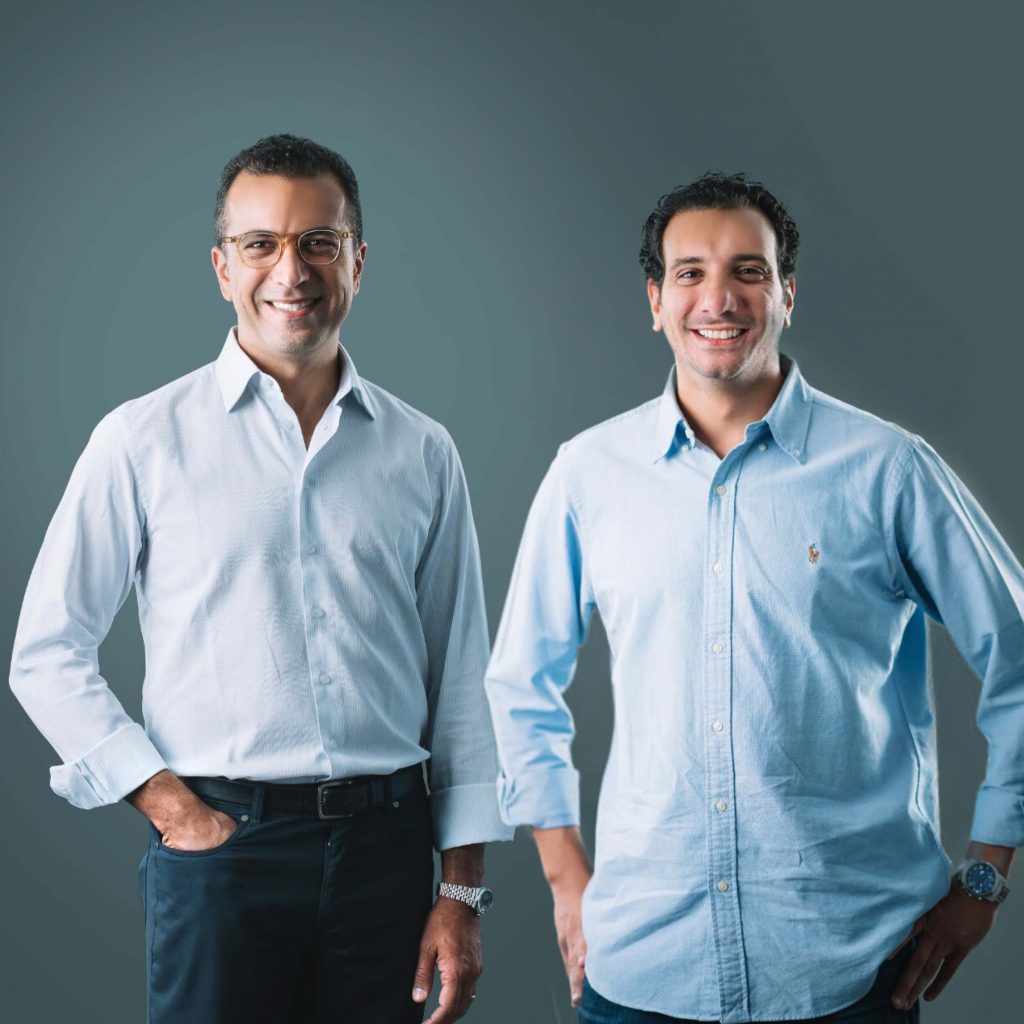
The business itself is point-of-sale credit: Founded in 2021 by Amr Sultan, Blnk runs an AI-assisted underwriting platform that approves purchases at partner merchants in real time. The “AI-powered” descriptor is worth treating with the usual caution, instant credit decisioning is genuinely useful but is also table stakes for the category now, not a moat. What distinguishes a lender is the quality of the decisions, visible in the loan-book performance, not the speed of them.
What it signals
The structure of this raise is a template for how African consumer lenders now scale: prove the book, reach or approach profitability, then borrow against it from local banks while raising a smaller slug of equity to keep building. It keeps founders less diluted and ties growth to the lender’s own performance, which is healthier than equity-funded expansion that papers over weak unit economics.
TechCocoon Intelligence reads Blnk’s split as a lender that has earned the right to borrow, the local-bank debt is a vote of confidence in the book that the equity round alone would not prove. The thing to watch is whether profitability holds as the portfolio grows, because debt that looked like discipline at EGP 1bn becomes pressure if defaults rise faster than the book.