
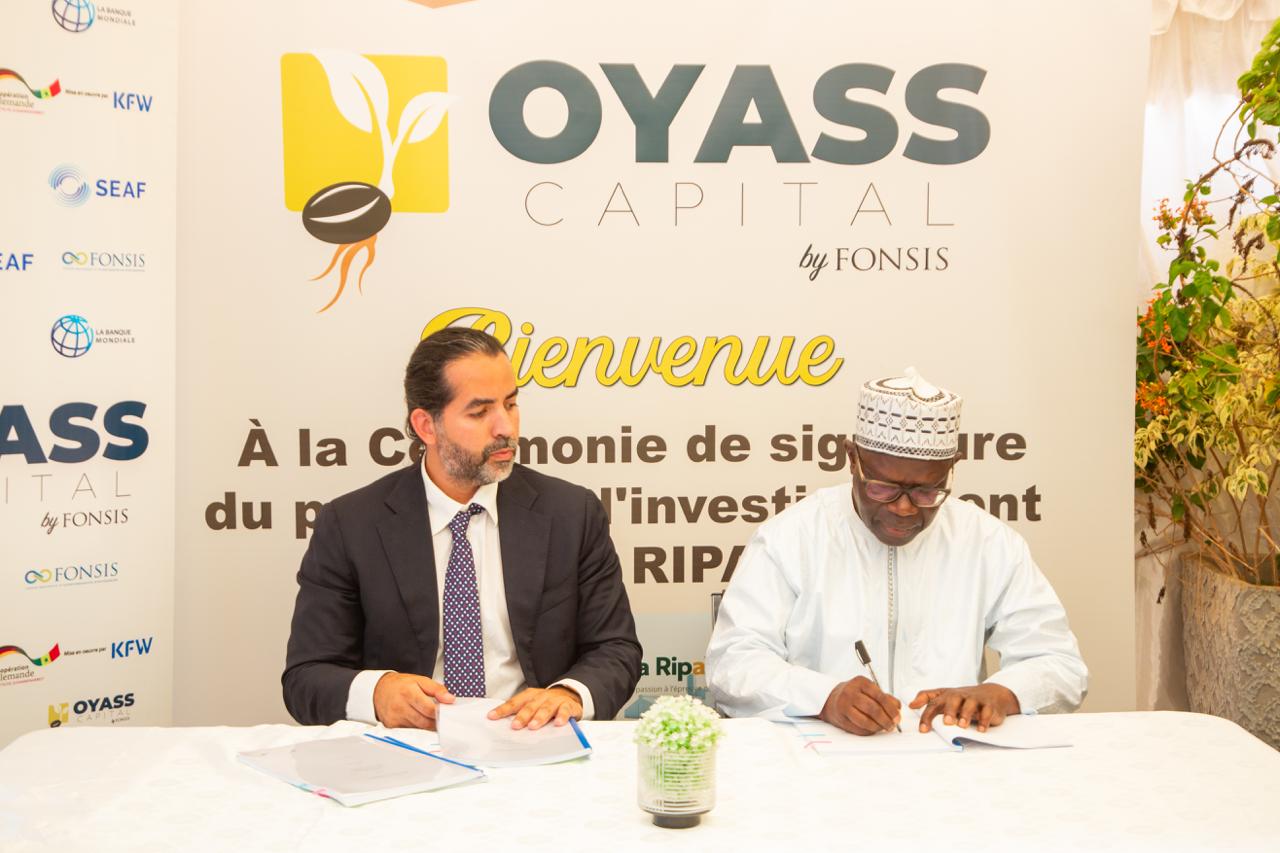
Senegal is using some of its own public capital to make more of its food at home. SEAF Senegal has put 1.3 billion CFA francs, about $2.2 million, into La Ripaille, one of the country’s larger poultry producers, to fund a specific expansion: moving into the local production of hatching eggs, the input a poultry industry must otherwise import. The money flows through Oyass Capital, a sub-fund of FONSIS, Senegal’s sovereign wealth fund, and is managed by SEAF Senegal, the regional arm of the impact investor SEAF Global.
Why hatching eggs
The logic is import substitution. By producing hatching eggs domestically, La Ripaille is meant to strengthen Senegal’s poultry supply chain from the input up, cut the country’s reliance on costly imports, and shore up food security in a sector where local supply has lagged demand. This is growth capital for an established agribusiness rather than a bet on an untested startup, and that is worth stating plainly. The value here lies in deepening a working company’s footing in a strategic part of the food system, not in chasing a new idea.
A hybrid structure
The structure is the part worth studying. The 1.3 billion CFA is a hybrid: part equity, to provide long-term capital and align the investor with the company’s growth, and part Islamic financing, structured to be Sharia-compliant and asset-backed in line with regional financial norms. That blend is a deliberate fit to the market, equity for the upside and Sharia-compliant debt for the portion that needs ethical, asset-backed structuring, and it is the kind of locally-tailored deal design that outside funds often skip.
A milestone for the fund
The deal also marks a milestone for the vehicle behind it. It is SEAF Senegal’s third investment through Oyass Capital, after the digital-health firm Eyone and the agribusiness Dimbaya, and it pushes the fund’s total deployed past $7 million. That is a small figure by global standards, but the pattern matters more than the size: a sovereign-linked fund, run by a professional manager, putting capital into a spread of local companies across health, agriculture and food production.
Why the model matters
For the wider region, the model is the takeaway. Francophone West Africa has long leaned on outside capital and grants to fund its companies; a sovereign fund channelling money through a disciplined manager into local agribusiness is a different and more durable pattern, public money used to draw private investment in rather than to subsidise it. Whether it compounds depends on the returns these companies actually deliver, and on FONSIS staying patient. But building the habit of local capital backing local production, in a sector as basic as the food supply, is the part worth watching.