

Orange’s Max it super app has grown to more than 23 million active users, giving the telecom group a sizeable distribution layer that sits across connectivity, Orange Money and digital commerce.
The number matters because Max it was never designed as a standalone lifestyle app. Orange built it to combine mobile and fixed-line account management, financial services and third-party digital services in one interface. The group’s current product overview says Orange Money has 47 million customers and that Max it has more than 23 million monthly active users.
Seen that way, the super app is a retention strategy. Each useful service gives a customer another reason to stay inside Orange’s account and payment environment.
The wallet becomes the payment layer for everything else
When Orange launched Max it in 2023, it described three core components: telecom account management, Orange Money and an e-commerce layer for content, ticketing and other services. The original launch plan was designed to work even for people who were not Orange mobile customers, with Orange Money serving as a central payment base.
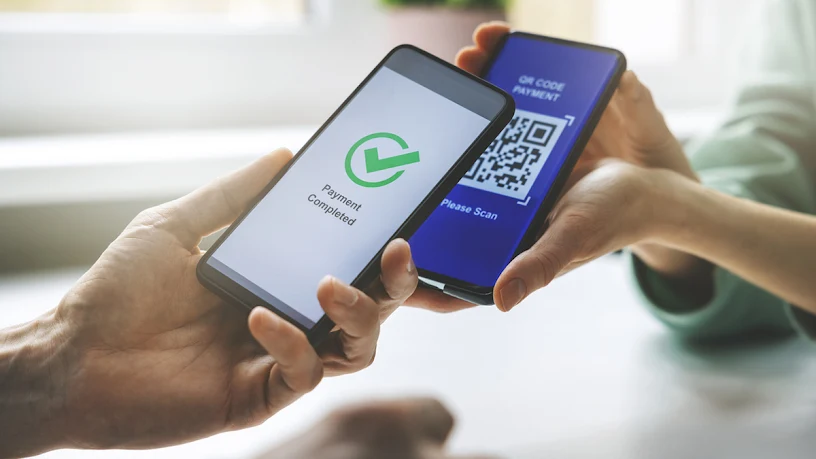
That architecture gives the company a path to monetise beyond airtime and data. A customer can arrive to check a mobile balance, then use the same application to pay a bill, move money, buy a ticket or use a partner mini-app.
The strategic benefit is frequency. Telecom purchases may happen periodically. Payments and small digital services can happen every day.
Super apps need local density, not feature count
The phrase “super app” can encourage companies to add as many features as possible. That usually produces clutter unless enough services are genuinely useful in the user’s market.
Orange has an advantage because it already has local distribution, mobile accounts and financial-services operations across multiple African and Middle Eastern markets. Orange Money gives it a trusted transaction layer, while telecom customer relationships reduce the cost of introducing the app.
The challenge is making each country’s version relevant. Transport tickets, government services, entertainment, merchant payments and financial products differ by market. A broad regional platform therefore needs local partners rather than a single catalogue copied everywhere.
Orange has used mini-apps as one way to expand without building every service itself.
The numbers show why retention matters
Orange says it serves about 179 million customers across 18 countries in Africa and the Middle East. Orange Money had 47 million active users at the end of 2025. At its Africa Forward Summit in 2026, the company said the financial service processed €196 billion in transactions during 2025. Orange’s summit announcement also put Max it at 23 million active users.
That means the super app does not need to acquire an entirely new market from zero. It can cross-sell into existing telecom and money relationships.
For a mature operator, reducing churn and increasing the number of services used per customer can be as valuable as adding another low-engagement registration.
Why it matters
African telecom operators are searching for growth beyond voice and basic data. Financial services have already become one of the strongest adjacent businesses. Super apps extend that logic by turning the operator’s distribution into a platform for other services.
If Max it succeeds, the lesson is not that every company should build a super app. It is that a company with an existing high-frequency account and payment relationship can use that position to lower customer-acquisition costs for additional products.
For fintechs, this also raises the competitive bar. An independent wallet may have a cleaner product, but an operator can bundle financial services with connectivity, identity, billing and a large installed customer base.
What to watch
The 23 million active-user figure is important, but usage mix matters more. Watch how much activity comes from Orange Money, telecom self-service and third-party mini-apps, and whether partner services generate meaningful repeat transactions.
Also watch country expansion and interoperability. Max it becomes more defensible if it remains useful to customers outside Orange’s own mobile network and if local partners see enough traffic to build for the platform.