
Africa’s venture funding conversation still tends to begin with seed rounds and end with a complaint about the shortage of growth capital. Norrsken22 sits directly in that gap.
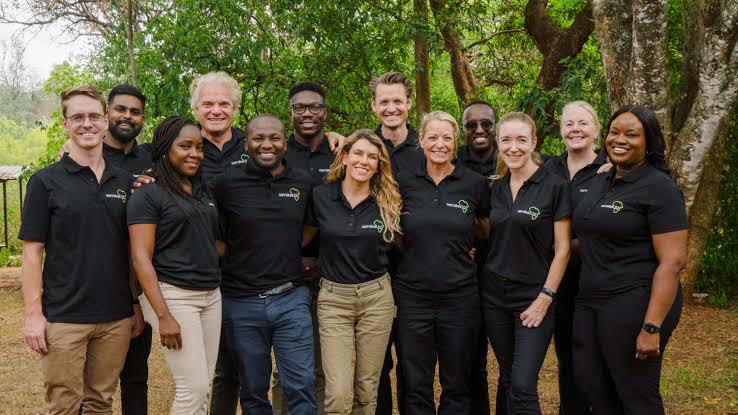
The firm describes itself as a technology growth fund that provides capital and strategic support to African companies preparing to scale. Its general partners are based across Lagos, Nairobi and Johannesburg, and the wider team combines venture, private equity and operating experience on the continent.
That structure matters. Later-stage financing is not simply a larger version of seed investing. Scale-ups have different problems: governance, cross-border expansion, senior hiring, working capital, regulation and the pressure to turn a strong local business into a repeatable regional one.
Growth capital needs operating context
An investor assessing a seed company can make a bet on potential. A growth investor has more evidence and therefore more ways to reject the deal.
The business may have real revenue but weak margins. It may dominate one country but have no proof that expansion works. Its product may be strong while its management systems are still designed for a 30-person team.
African scale-ups add another layer of complexity because cross-border growth can change the business itself. Payments rails differ. Consumer purchasing power changes. Regulators ask for different licences. Logistics economics can shift dramatically between countries.
A growth investor with local context should be able to distinguish between normal market friction and a genuinely broken model.
Norrsken22’s positioning is built around that distinction. It says value creation goes beyond capital and emphasises strategic support for international expansion.
The portfolio is already cross-border by design
The firm’s portfolio includes companies such as Yellow Card, Stitch, Raenest, Taager, Credrails and ARC Ride.
They operate in different sectors, but many share a common challenge: the product becomes more valuable as it connects multiple markets, payment methods, customers or physical systems.
Yellow Card builds digital-asset payment infrastructure across emerging markets. Stitch works on business payments infrastructure. Raenest serves remote workers, freelancers and businesses moving money across borders. ARC Ride combines electric mobility with battery infrastructure.
These are not companies whose growth can be measured only by app downloads. Their next stage depends on deeper integrations, licences, enterprise relationships and reliable operations.
That is exactly where growth capital has to become more involved than a cheque.
Local presence does not remove global discipline
There is a temptation to treat African-based growth funds as a softer source of capital because they understand local constraints. The opposite should be expected.
A locally embedded investor can see through weak explanations more quickly. It knows when regulation is genuinely difficult and when a company simply prepared badly. It can compare expansion claims with what similar companies have experienced in the same markets.
The benefit for founders is not lower standards. It is a more informed standard.
That can improve board conversations as companies scale. Instead of spending months explaining why a market behaves differently from Europe or the United States, management can spend more time deciding what to do about it.
Why it matters
Africa’s scale-up problem is partly a capital problem, but it is also an investor-fit problem.
Companies that survive the seed stage need partners who can evaluate large rounds without forcing every African business into a Silicon Valley template. Norrsken22’s growth mandate and continental team show one way that market is maturing.
The wider implication is that later-stage African venture does not have to be imported only when a company becomes globally fashionable. Dedicated growth investors can build knowledge earlier, follow companies through difficult expansion decisions and connect them to international networks when the timing is right.
That does not guarantee exits. It does create a more complete financing ladder.
What to watch
Watch which portfolio companies raise subsequent rounds, enter new markets or move toward exits with Norrsken22 on the cap table. Those outcomes will say more about the model than fund branding.
Also watch whether more Africa-focused investors specialise at the growth stage rather than stretching seed funds upward. Specialisation could improve the quality of later-stage diligence and give founders clearer choices about the kind of capital they need.
Africa has no shortage of ambitious startups. The next test is whether the continent can build enough capital institutions for the companies that outgrow the startup phase.