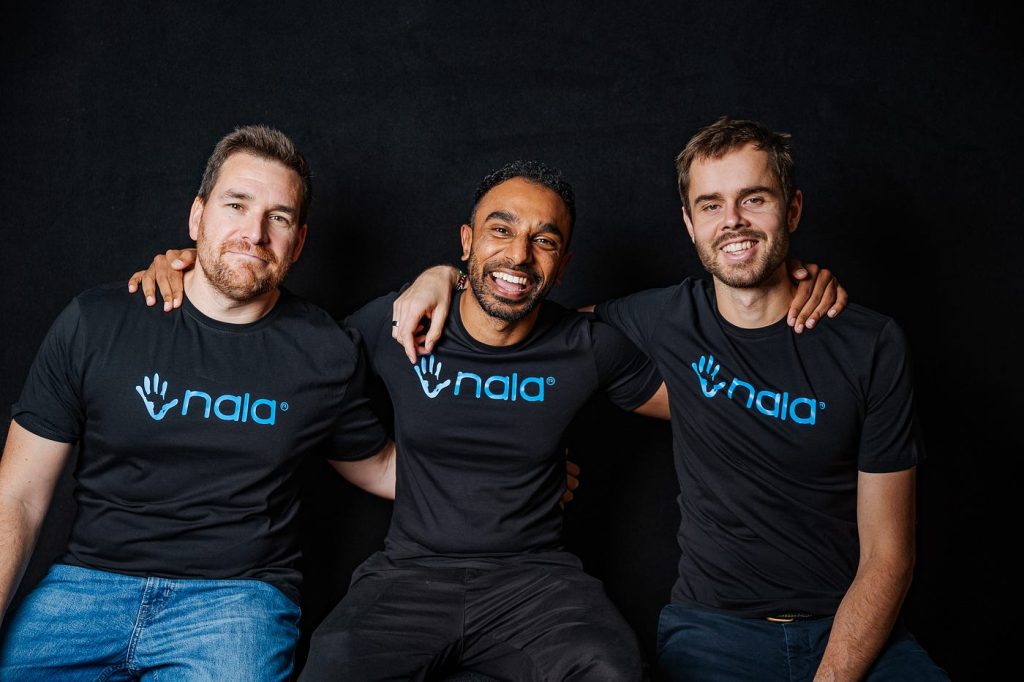



Myka, a Nigerian insurtech, has raised an undisclosed pre-seed round from a notably heavy list of backers: Ventures Platform and TLcom, alongside angels including Paystack co-founder Shola Akinlade, LemFi founder Ridwan Olalere, and Voltron Capital’s Olumide Soyombo. Founded in 2025 by serial entrepreneur Sim Shagaya with Muritala Ahmed and Oluwadamilola Okenla, the company is a licensed digital insurance broker that lets consumers and SMEs compare and buy cover from multiple providers in real time.
The amount is undisclosed, which is normal at pre-seed and not a red flag. What stands out is the backer list, and the discipline is to read what that roster signals without letting it stand in for evidence the business itself has yet to produce.
What the cap table does and doesn’t tell you
A pre-seed that pulls in two established institutional funds and the founders of Paystack and LemFi is a real signal of something: that experienced operators who have built large Nigerian fintech businesses see a credible team and a problem worth backing. Founder-angels of that calibre tend to invest in people and theses they understand, and insurance distribution is adjacent to the payments and lending rails they built. The presence of Sim Shagaya, a founder with a long track record across Nigerian internet businesses, is part of what the money is backing.
But a strong roster is a bet on potential, not proof of traction, and it is worth being clear about the difference. At pre-seed there is by definition no meaningful performance record yet, no premium volume, no loss ratios, no evidence the distribution model converts. The backer list tells you smart people are willing to fund the attempt; it does not tell you the attempt will work. Reading an impressive cap table as if it were evidence of product-market fit is one of the easier mistakes to make in early-stage coverage.
The real question is distribution
Myka’s pitch is built on Nigeria’s low insurance penetration, and that framing deserves a careful read. Low penetration is genuinely real, very few Nigerians hold formal insurance, but “huge underserved market” is also the oldest story in African fintech, and it has been the premise of many ventures that discovered the market was underserved for reasons that were hard to fix. The barriers to insurance uptake in Nigeria are not only distribution; they include trust in insurers paying out, affordability, and the absence of a claims culture. A slicker way to compare and buy policies addresses distribution, which is one barrier, but not automatically the binding one.
The model itself is the thing to watch. Myka is a licensed broker working with underwriters under NAICOM oversight, offering cover across health, vehicles, phones, homes, and businesses through digital and offline channels customers already use. The “digital and offline channels customers already use” line is the most important and the least proven part: insurance distribution that genuinely meets people where they are, rather than asking them to come to an app, is the hard problem the category keeps trying to crack. Whether Myka has actually solved it, or just rebuilt a comparison interface, will show in whether policies sold convert into renewed, paid-up cover, not in sign-ups.
What it signals
A well-backed insurtech taking on Nigerian insurance distribution is a worthwhile bet on a real gap, and the team and roster give it a serious starting position. But the gap has defeated well-funded attempts before, for reasons deeper than the buying experience.
TechCocoon Intelligence reads Myka’s pre-seed as a strong vote of confidence in a team tackling a genuinely hard distribution problem, with the emphasis on hard. The standing question is whether better distribution is enough to move insurance penetration, or whether the binding constraints, trust that claims get paid, and affordability, sit beyond what a broker, however well-designed, can fix.