
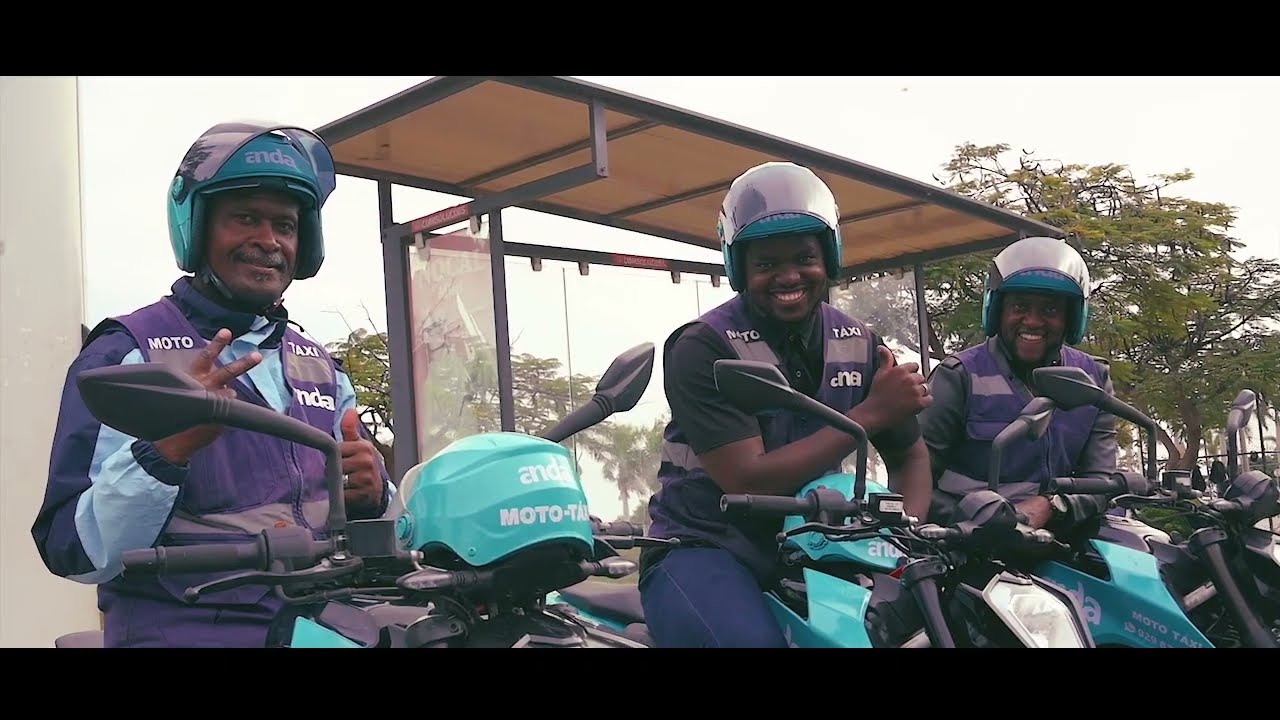
Angolan mobility startup ANDA has raised $1.2 million from BFA Asset Management through its Kimbo Fund, capital it will use to grow its fleet, move into electric vehicles, and expand its logistics network. Founded in 2022 by Sergio Tati and Joerg Nuehrmann, the Luanda-based company runs a drive-to-own model for drivers of two-, three- and four-wheeled vehicles, pairing asset financing with training and support at its network of safe stops.
The model
The pitch is not just access to a vehicle but a structured path to owning one. In a market where formal credit is scarce, ANDA finances the vehicle, helps the driver build a record of income, and provides the surrounding services that keep them earning. It is mobility and embedded finance in one, aimed at the millions of riders who move people and goods where formal transit falls short. The company estimates Angola has around 1.2 million motorcycle-taxi drivers, with close to half in Luanda.
Why local capital matters
The investor is as notable as the company. The Kimbo Fund is Angola’s first private credit vehicle focused on small and mid-market companies, anchored by the country’s sovereign wealth fund. That a domestic institution is underwriting a local startup signals a maturing financial base in a market that rarely features in African venture coverage. ANDA’s earlier $3.4 million seed round was led by international investors including Breega and Speedinvest, so the new facility shows local and foreign capital now stacking behind the same company.
The opportunity and the test
ANDA sits in the unglamorous part of the market, physical-world logistics and transport, where execution, not novelty, decides outcomes. Asset-financing businesses live and die on collections and repayment discipline, and a fleet that includes electric vehicles adds charging, maintenance and resale-value questions to the mix.
But the story is bigger than one startup. Lusophone Africa remains one of the continent’s most underfunded corners, and a structured model that turns informal transport work into ownership, backed by patient local capital, is exactly the kind of quiet, durable building that African mobility needs more of.