
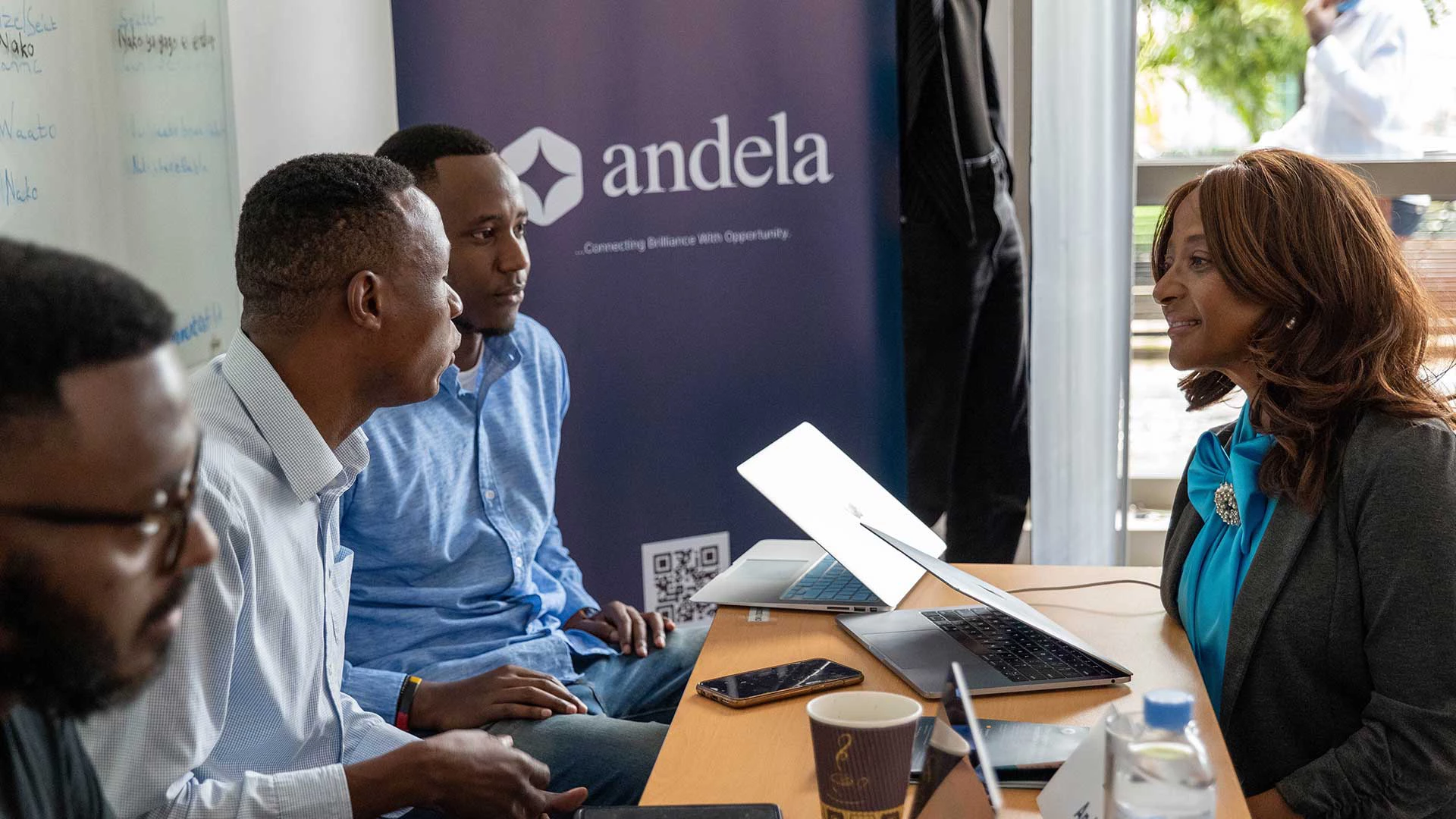

Andela is moving from finding technical talent to helping create the specific talent enterprises now want.
In February, the company expanded its AI Academy with a target of training 15,000 technologists during 2026. The programme now covers LLM engineering, agentic AI, production deployment and AI leadership, while Andela separately sells project-based AI training to enterprise engineering teams.
That is a meaningful shift for a company built around matching African and global technologists with remote work. Talent marketplaces usually react to demand. Training lets Andela shape supply before a client opens a role.
AI is shortening the shelf life of technical skills
Enterprise demand is changing faster than traditional hiring cycles.
A company that needed cloud engineers two years ago may now need engineers who can build retrieval systems, evaluate language models, orchestrate agents and operate AI workloads in production. The base software skills still matter, but the combination changes quickly.
That creates what Andela calls talent debt: the gap between what an engineering team already knows and what the product roadmap now requires.
Hiring around every new technology is expensive and slow. Upskilling existing teams can be faster, especially when the company needs domain knowledge to stay inside the organisation.
Andela’s enterprise training offer is designed around that problem. Courses are linked to the AI application lifecycle rather than generic awareness sessions, with work on function calling, deployment, observability, security and governance.
The emphasis on production matters. Many companies can prototype with an LLM. Fewer can operate the system reliably after launch.
The talent company gets better demand data
A marketplace that works with hundreds of enterprise clients can see skills demand earlier than a standalone training school.
Andela says its network spans more than 135 countries and works with hundreds of enterprises. Every hiring request creates information about which technologies are becoming scarce and which combinations of skills employers are willing to pay for.
Training can turn that demand data into curriculum.
The loop works in the other direction too. Graduates of the AI Academy can be assessed and matched into client work, giving Andela evidence on which parts of the curriculum actually translate into performance.
That is stronger than issuing a certificate and hoping the labour market values it.
Enterprise upskilling broadens the customer relationship
Andela historically earned value by supplying talent. Training lets it sell to clients that do not necessarily want to replace or augment their teams.
An enterprise may want to keep its engineers but make them more capable with AI. Andela can then provide curriculum, assessment and project-based learning before later supplying specialist talent for gaps that remain.
This moves the company upstream in the workforce decision. Instead of entering after a hiring manager has concluded that new staff are required, it can participate when the organisation is deciding whether to train, hire or combine both.
The risk is quality. AI training is now crowded with short courses and inflated promises. Enterprise buyers will care about whether trained engineers can ship reliable systems, not whether they completed modules.
Why it matters
Africa’s technology-talent story has often been framed around exporting developers to global companies. The AI shift creates a more dynamic opportunity.
If African engineers are trained on production AI while enterprise demand is still forming, they can participate in higher-value work rather than being pushed toward commoditised tasks that AI itself may automate.
Andela’s model also suggests that talent companies cannot remain passive directories. Skills move too quickly. Marketplaces increasingly need assessment, continuous learning and evidence of capability.
For engineers, that means the career advantage will come from demonstrated production competence, not simply years of experience with a familiar stack.
What to watch
Andela’s 15,000-person target is large. Watch completion rates, the number of graduates placed into AI work and how many enterprise teams buy training directly.
The curriculum will also need constant revision. Agent frameworks, model capabilities and deployment patterns are changing quickly, so a static academy would lose value fast.
The bigger question is whether Andela can make learning a permanent part of its talent network. If it can, the company moves from matching skills to maintaining them.