

Airtel Africa has pushed the planned listing of its mobile money business, Airtel Money, to the second half of 2026, turning what could have been one of the year’s most watched African fintech IPOs into a test of market timing.
The company had earlier planned to list Airtel Money in the first half of 2026. That timeline has now shifted, with Airtel Africa citing unfavourable market conditions and warning of near-term margin pressure from higher costs linked to wider geopolitical disruption.
This is not a small asset waiting for investor attention. Airtel Money contributes 21.1% of Airtel Africa’s total revenue, according to Reuters. Airtel Africa also reported $3.16 billion in core profit on $6.42 billion in revenue for the financial year ended March 31, 2026, ahead of market expectations.
That is what makes the delay important. If a scaled mobile money business inside one of Africa’s largest telecom groups is waiting for better conditions, the message to the wider fintech market is clear: public-market exits remain sensitive, even for strong companies.
A delayed IPO, not a weak business
The easiest mistake would be to read the delay as a sign that Airtel Money itself is struggling. The available numbers point in a different direction.
Airtel Africa’s full-year results showed strong revenue and profit performance. Its official investor materials show the group reported $6.415 billion in revenue for the year ended March 31, 2026, with reported currency revenue up 29.5% and constant currency revenue up 24.0%.
The company also reported growth across its customer base. Airtel Africa’s final results showed total customers rising 10.5% to 183.5 million, data customers increasing 14.8% to 84.2 million, and Airtel Money customers growing 21.3% to 54.1 million.
Those are not weak-company numbers. They suggest the core business is still expanding.
The delay is more about the market into which Airtel Africa wants to list the asset. IPOs do not happen in a vacuum. They depend on investor appetite, valuation expectations, currency risk, global liquidity, sector sentiment, and confidence in future earnings.
Airtel Money may be growing, but the company still has to choose a window where public investors are willing to pay the right price for that growth.
Why Airtel Money matters beyond Airtel Africa
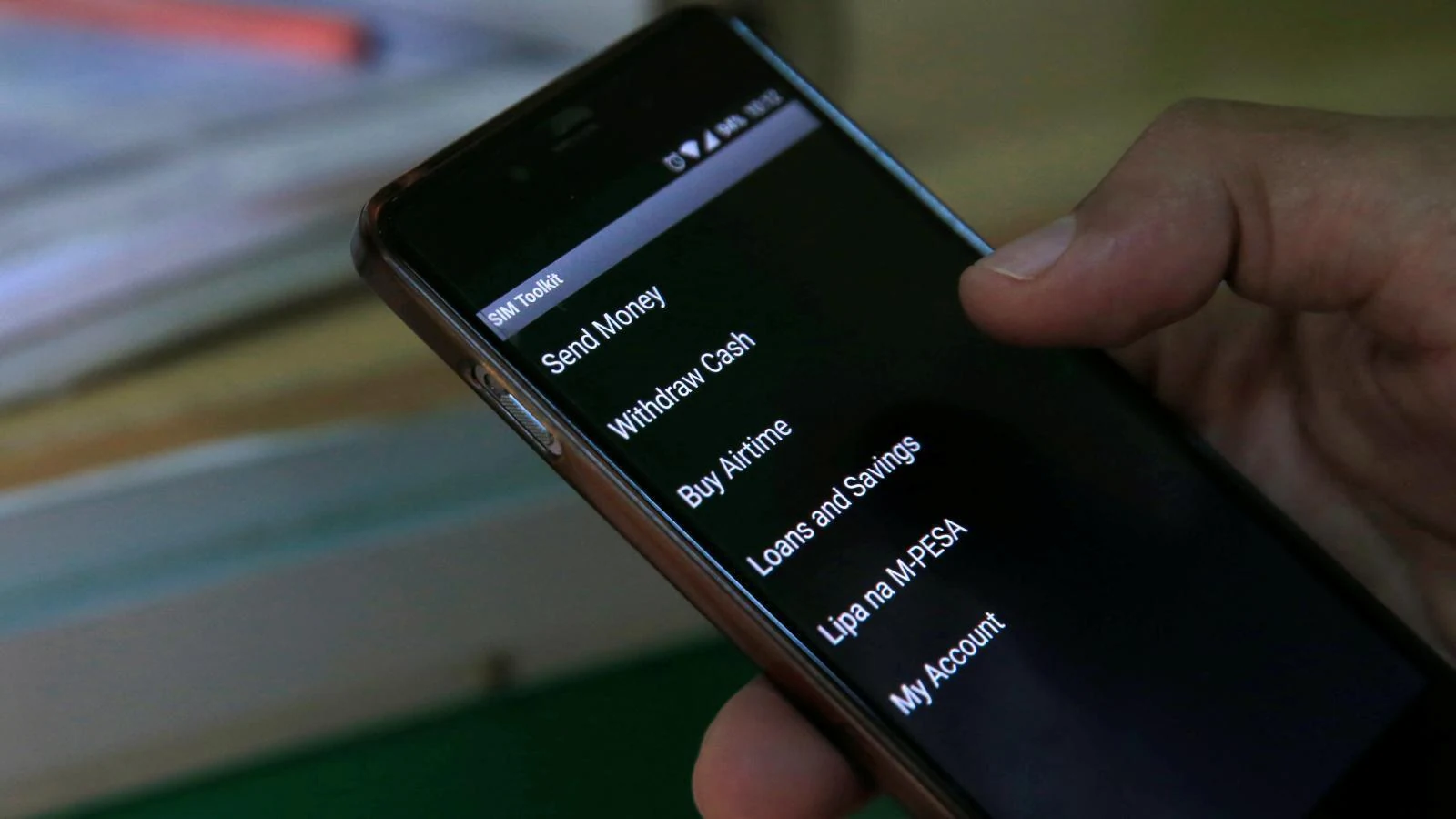
Mobile money is one of the clearest examples of African technology solving a real market problem at scale. It moves beyond app downloads and pitch-deck ambition. It sits close to daily commerce.
People use mobile money to send funds, receive payments, pay merchants, collect salaries, support families, and access financial services in markets where traditional banking often remains limited.
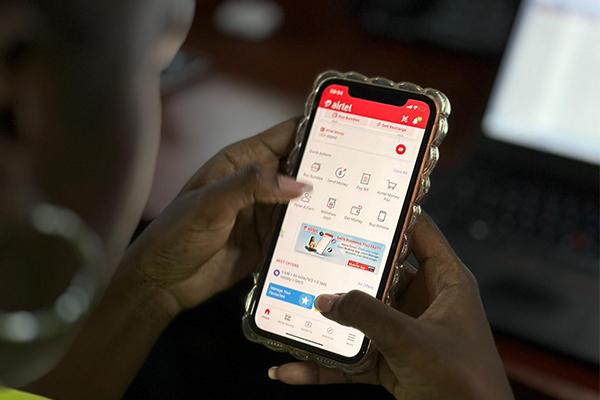
For Airtel Africa, Airtel Money is more than an add-on to telecom services. It is a high-growth financial layer built on top of a large mobile subscriber base. Airtel Africa’s own website describes Airtel Money as a platform connecting customers to transfers, payments, collections, disbursements, and financial services.
That makes the IPO significant. A successful listing would not only unlock value for Airtel Africa. It would also give public investors another way to price African mobile money as a standalone financial infrastructure asset.
That is why the delay matters to more than Airtel shareholders.
It matters to telecom operators thinking about fintech spin-offs. It matters to late-stage fintechs watching exit conditions. It matters to investors trying to understand how African digital finance will be valued outside private markets.
The market is asking for patience
The IPO delay shows the difference between company readiness and market readiness.
A company can have scale, revenue, customers, and strategic importance. But if market conditions are difficult, management may still decide that waiting is better than listing into a weak window.
That is a rational decision. Public listings are not just fundraising events. They set valuation benchmarks. A poorly timed IPO can pressure a company’s share price, reduce confidence, and affect how similar assets are valued.
For Airtel Africa, waiting may protect Airtel Money from entering the market at a discount. It may also give the company more time to show growth, improve margins, and present the business to investors with stronger numbers.
But there is a trade-off. Delays can also create uncertainty. Investors will keep asking what valuation Airtel Money can command, where it will list, how independent it will be from Airtel Africa, and how much capital the IPO can realistically raise.
The longer the wait, the more those questions matter.
A signal for African fintech exits
For African fintech founders, Airtel Money’s delay is a useful reminder that the exit environment is still uneven.
Private funding can keep companies alive. Growth rounds can support expansion. Strategic investors can validate a business. But the public markets apply a different discipline.
They care about margins, governance, predictable earnings, reporting quality, macro exposure, regulation, currency risk, and the credibility of long-term growth.
Airtel Money has scale that most fintech startups do not. It has telecom distribution, brand recognition, and a large customer base. Yet even that may not be enough to ignore broader market conditions.
That should make late-stage fintechs more sober about IPO planning.
The question is not only, “Can we grow?” It is also, “Can public investors understand, price, and trust this growth under current market conditions?”
The telecom-fintech advantage
Airtel Money has one advantage many standalone fintechs lack: distribution.
Telecom operators already have customers, agent networks, brand visibility, data relationships, and physical reach. That makes mobile money powerful in African markets where access and trust still shape adoption.
The challenge is that telecom-led fintechs also carry complexity. They sit across regulation, payments, banking partnerships, agent networks, consumer protection, data, and cross-border capital expectations.
That makes the public-market story more complicated. Investors are not only buying growth. They are also buying exposure to multiple African currencies, regulatory regimes, and operating environments.
Airtel Africa’s latest results show strong demand for mobile services and digital adoption, but the IPO delay shows that market strength does not erase macro risk.
That tension sits at the heart of African fintech today.
The opportunity is large. The operating environment is demanding.
What founders and investors should watch
Airtel Money’s new listing timeline creates several questions for the rest of 2026.
First, will market conditions improve enough for Airtel Africa to proceed in the second half of the year?
Second, what valuation will public investors place on Airtel Money compared with private-market expectations?
Third, will Airtel Money list in London, Africa, or another market structure that gives it stronger liquidity and visibility?
Fourth, how will investors compare Airtel Money with other mobile money and digital finance assets across Africa?
These questions matter because one successful listing can set a benchmark. It can influence how investors think about mobile money, telecom-fintech hybrids, and future African technology exits.
A weak or delayed listing can also send a message. It can tell founders and investors that even scaled companies must wait for better timing.
The harder lesson
Airtel Money’s delayed IPO does not weaken the mobile money story. It makes it more realistic.
Africa’s digital finance market is still growing. Mobile money remains one of the continent’s most important financial infrastructure layers. Airtel Money’s customer growth and contribution to group revenue show that demand is not the main issue.
The harder issue is whether capital markets are ready to reward that demand at the valuation Airtel Africa wants.
That is the part founders should study.
Building a large fintech business is one challenge. Exiting it well is another.
For now, Airtel Money remains one of the most important fintech listing stories to watch in 2026. The delay does not close the window. It only shows how carefully that window has to be timed.